
Pain Reprocessing Therapy in California
Specialized therapy for chronic back pain, fibromyalgia, persistent neck and shoulder pain, and other forms of chronic pain that continue despite medical treatment or after an injury has healed.
Online Pain Reprocessing Therapy throughout California via secure telehealth

When Chronic Pain Interferes With Your Life
Chronic pain has made it difficult to participate in daily life without constantly considering your symptoms.
Maybe your pain is there from the moment you wake up until you go to bed. You work through it, adjust how you sit or move, and try to find positions that offer some relief. Certain activities make the pain more intense, but it never completely disappears.
You’ve begun wondering whether you’ll always have to live with this level of discomfort.
Or your pain changes unpredictably.
Some days, you can walk for an hour or complete a workout with relatively little discomfort. Other days, sitting at your desk or bending to pick something up causes significant pain. You try to understand the difference, but your symptoms don’t follow a consistent explanation.
You’ve also become cautious about activities that previously caused severe pain.
Maybe you stopped running after experiencing significant back pain during a workout. Even though your doctor has told you that exercising is safe, you remember how much it hurt afterward. You want to return to the gym, but you’re scared of aggravating your symptoms again.
When you experience some improvement, it can be difficult to trust that it will last. Previous setbacks have made you cautious about increasing your activity or making plans.
Your medical evaluations haven’t necessarily provided a satisfying explanation, either.
Your imaging results show changes that your doctor considers unlikely to account for the severity of your symptoms. Or an earlier injury has healed, yet the pain continues months or years later.
You want treatment that offers the possibility of reducing the pain itself, so you can participate in daily life without constantly anticipating discomfort or another flare-up.

How I Help You Reduce Chronic Pain
When we begin working together, I’ll review your medical history, previous treatments, and how your symptoms behave to assess whether learned pain responses are contributing.
For certain forms of persistent pain, the nervous system continues producing or amplifying pain after an injury has healed or when there is no ongoing damage that adequately explains the symptoms.
Pain Reprocessing Therapy is designed to change these learned responses, with the goal of significantly reducing or eliminating the pain.
Changing How Your Nervous System Responds to Pain
I’ll help you identify the sensations, movements, and activities your nervous system has learned to associate with danger, then use PRT techniques to change how it responds to them.
For example, if sitting for long periods triggers back pain despite your doctor confirming that sitting isn’t causing injury, we’ll examine the expectations you’ve developed around that activity.
You’ve become accustomed to anticipating pain whenever you sit down to work or travel.
Through PRT, I’ll guide you in experiencing those sensations differently, without reinforcing the belief that sitting is causing further damage.
One technique I use is somatic tracking. I’ll guide you in paying attention to physical sensations without automatically interpreting them as signs of injury, when we’ve established that it’s medically safe to do so.
PRT also addresses learned pain responses that contribute to constant pain, not just pain triggered by particular movements.
When your nervous system has become unusually sensitive, even resting or ordinary physical sensations can be painful. We’ll work on changing those responses, with the goal of reducing your pain throughout the day.
Addressing Pain That Returns After Improvement
Even after your symptoms improve, another flare-up can make you question whether the progress will last.
You’ve been exercising more comfortably for several weeks, then suddenly experience back pain again. You worry that you’ve aggravated an old injury and consider stopping exercise altogether.
I’ll help you distinguish symptoms that warrant further medical attention from familiar learned pain responses.
We’ll use PRT techniques to address the pain and fear associated with another flare up, rather than automatically abandoning activities you’ve begun enjoying again.
When Other Factors Are Contributing to Your Pain
Not everyone experiencing chronic pain needs the same interventions.
When stress causes you to tense your muscles or become more physically uncomfortable, I draw on somatic therapy to help you recognize and reduce those responses.
For example, your neck and shoulders become increasingly painful during stressful periods at work. You spend much of the day tightening your muscles without realizing it, and the tension continues long after you finish working.
We can work on helping your muscles relax more readily while also addressing learned pain responses contributing to your symptoms.
I also use EMDR, an evidence-based treatment for trauma, to address traumatic experiences that continue affecting you.
For example, after a serious car accident, you continue bracing yourself or feeling anxious whenever you’re in a vehicle, even though your injuries have healed.
EMDR can help address the continuing fear associated with the accident, while PRT addresses learned pain responses that have developed around movements or physical sensations.
These treatments address different concerns. Treating trauma doesn’t necessarily eliminate chronic pain, and trauma treatment isn’t necessary for everyone experiencing persistent pain. I select interventions based on the concerns we identify during treatment.
→ Read more about working with me in Pain Reprocessing Therapy.

Schedule Your First Session
Schedule Your First Session

What Pain Reprocessing Therapy Can Help You Change
Experience Meaningful Pain Reduction, Even After Years of Chronic Pain
The primary goal of Pain Reprocessing Therapy is to reduce the pain itself, including pain you’ve experienced for years and have begun to believe is permanent.
When learned nervous-system responses are maintaining your symptoms, PRT helps change those responses so that ordinary sensations and medically safe movements become less painful.
That could mean sitting through your workday without recurring back pain, waking up with less discomfort, or completing household tasks without repeatedly stopping because of your symptoms.
You could reach a point where you no longer need to carefully select furniture based on which positions cause the least pain, rearrange your workday to avoid certain movements, or spend the evening recovering from activities that used to be straightforward.
Return to Exercise and Activities You’ve Avoided
I want to help you return to physical activities you enjoy, without previous painful experiences continuing to determine what you attempt.
That could mean going back to the gym, running again, taking longer walks, practicing yoga, gardening, or participating in recreational activities you’ve missed.
When certain movements have become associated with pain, I’ll help you change how your nervous system responds to them and gradually rebuild confidence in activities that are medically appropriate.
As your pain improves, we’ll also work on trusting those improvements.
After years of flare-ups, you can feel reluctant to resume activities even when they’ve become more comfortable. You remember previous setbacks and worry that another painful experience will leave you right where you started.
I’ll help you evaluate changes in your symptoms, gradually test what your body can do safely, and build confidence based on your current abilities rather than previous painful experiences.
The goal is for you to return to activities you enjoy without continually expecting another flare-up to undo your progress.
Spend Less Time Monitoring Your Body and Worrying About Pain
Another important goal is for pain to stop demanding so much of your attention.
You want to concentrate during meetings without repeatedly checking how your back feels. You want to enjoy an evening with friends without wondering whether an unfamiliar ache means you should leave early.
And when you notice a familiar sensation, you want to respond without immediately assuming that another severe flare-up is beginning.
Through PRT, we’ll work on changing how you interpret and respond to physical sensations, particularly when your nervous system has learned to treat ordinary sensations as warnings of injury.
The goal is for you to enjoy conversations, concentrate on work, and participate in daily activities without constantly assessing whether your pain is getting better or worse.
Reconsider Opportunities Chronic Pain Has Limited
As your pain improves and you regain confidence in your physical abilities, opportunities you previously ruled out can become realistic again.
You’ve declined a promotion because the position involves frequent travel. You’ve considered relocating but worried about managing the physical demands of moving.
Or you’ve avoided making longer-term commitments because your symptoms are unpredictable and you’re uncertain whether you’ll be able to follow through.
Even after pain improves, it can take time to reconsider decisions you’ve been making according to your previous limitations.
I’ll help you reassess those limitations as your symptoms change, distinguishing restrictions that remain medically necessary from those maintained by fear or previous painful experiences.
The goal is for you to make decisions about your work, relationships, and future based on your current abilities and priorities, rather than automatically assuming chronic pain will prevent you from pursuing something important.
We’re working toward improvements that extend beyond managing symptoms from one day to the next.
Is Pain Reprocessing Therapy Right for You?
I’ll consider your symptoms, medical history, imaging results, and previous treatments together to determine whether learned pain responses are contributing to your chronic pain.
Even when medical tests show structural changes, your nervous system can still play a role in maintaining or amplifying your symptoms.
Chronic Pain Conditions I Treat
I work with adults experiencing persistent pain, including:
Chronic back pain: Back pain that continues after an injury has healed or persists despite medical treatment.
Chronic neck and shoulder pain: Ongoing pain or discomfort, particularly when nervous-system sensitivity contributes to symptoms.
Fibromyalgia and widespread pain: Pain affecting multiple areas of the body, often accompanied by fatigue and difficulty sleeping. Research on PRT for fibromyalgia remains preliminary.
Migraines and recurring headaches: Recurring headaches that interfere with work, relationships, and daily activities. PRT is an emerging approach for selected presentations and doesn’t replace established migraine treatment.
Persistent pain following an injury: Pain continuing months or years after the original injury has healed.
Other forms of persistent or unexplained pain: Pain that is constant, fluctuates unpredictably, shifts between different parts of the body, or seems more severe than medical findings would suggest.
I also provide specialized therapy for chronic pelvic pain and painful sex, including vulvodynia, persistent pain with penetration, and other conditions in which nervous-system sensitivity, previous painful experiences, or trauma contribute to symptoms.
That service combines chronic pain treatment with my training in sex therapy and trauma treatment.
PRT Could Be a Good Fit If…
Your pain has continued after an injury has healed or your medical findings don’t fully explain your symptoms. Perhaps imaging shows age-related changes, but your doctor doesn’t believe those findings account for the severity of your pain.
Your pain is constant, fluctuates, or becomes more intense during certain activities. You experience pain throughout the day, including when you’re resting. Or your symptoms change unpredictably, move between different areas of your body, or become worse during particular activities without a clear explanation. Continuous pain can also involve learned nervous-system responses.
You experience pain during movements that have been medically cleared. Your doctor has confirmed that an activity is safe, but you continue experiencing pain when attempting it.
You want to address the pain itself. You’re interested in investigating whether learned pain responses are contributing to your symptoms rather than focusing exclusively on accommodating or managing them.
You’re open to participating in a mind-body treatment. You don’t need to be convinced that your pain is neuroplastic, but you’re willing to consider the evidence and practice techniques designed to change learned pain responses.
PRT May Not Be a Good Fit If…
You haven’t received an appropriate medical evaluation. Before treating pain as primarily neuroplastic, it’s important to investigate medical conditions that could require treatment.
Your pain is primarily caused by an active injury or medical condition requiring treatment. PRT cannot replace appropriate care for fractures, infections, progressive neurological conditions, or other medical problems. It can sometimes complement medical treatment when increased pain sensitivity is also contributing.
You’re seeking treatment through workers’ compensation. I don’t participate in workers’ compensation programs.
You need disability evaluations or services for a legal proceeding. I don’t conduct disability evaluations, prepare forensic reports, or serve as an expert witness.
You’re looking exclusively for medical or procedural treatment. PRT is a psychological treatment requiring active participation. If you’re interested only in medication, surgery, or another medical intervention, this service won’t match your goals.
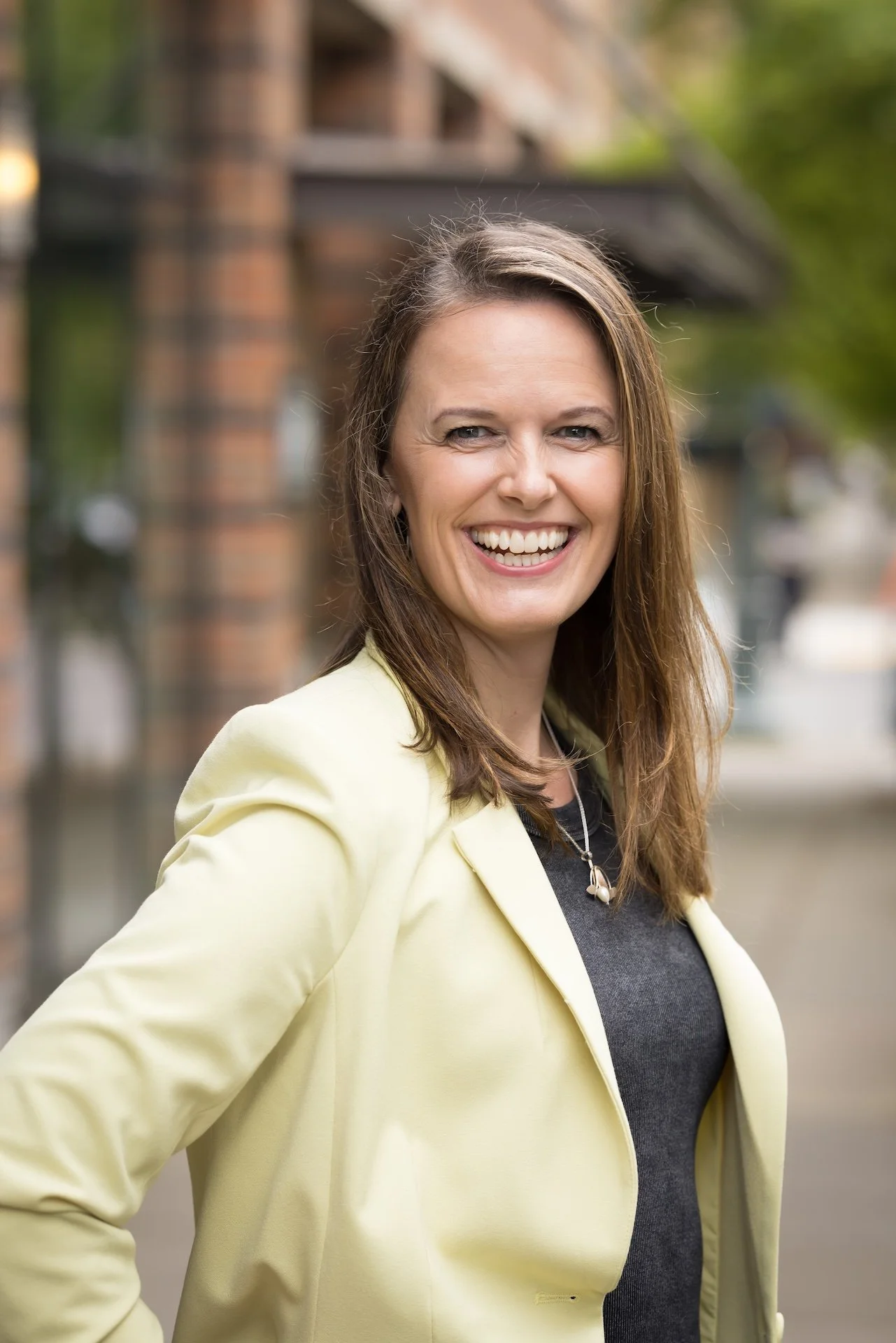
About Ingrid Johnston, LMFT, MDFT
Pain Reprocessing Therapist Serving California
I’m Ingrid Johnston, a Licensed Marriage and Family Therapist who has worked with people experiencing chronic pain since 2014.
My background includes a Certificate in Medical Family Therapy and Collaborative Medicine from Seattle Pacific University (2016), along with specialized training in Pain Reprocessing Therapy, EMDR, and somatic approaches to trauma treatment.
My training in Medical Family Therapy and Collaborative Medicine helps me understand how your medical condition, previous treatments, pain symptoms, and psychological experiences relate to one another. This is especially important when you’ve received different explanations for your pain or when several factors are contributing to your symptoms.
My training in PRT, EMDR, and somatic therapy allows me to address different factors contributing to chronic pain, depending on your circumstances.
I also have personal experience recovering from chronic pain that medical imaging couldn’t adequately explain. That experience informs my understanding of how difficult it can be to trust your body when physical pain persists despite reassuring medical findings.
I bring that perspective to my clinical work alongside more than a decade of experience treating chronic pain.
Logistics & Details
Pricing, Locations, and How to Schedule

Online Pain Reprocessing Therapy Throughout California
I provide PRT through secure, HIPAA-compliant telehealth throughout California.
You can attend sessions from your home or another private location as long as you’re physically located in California at the time of your appointment.
Pricing
Individual sessions are $300 for 55 minutes.
I don’t accept insurance or bill insurance companies directly, but I can provide a Superbill if you’d like to seek out-of-network reimbursement. For more details, please see my pricing page.
How to Get Started in Pain Reprocessing Therapy
To request your first appointment, choose an available day and time on my secure online calendar using the button directly below.
I’ll review your appointment request and confirm within one business day. Once your appointment is confirmed, you’ll receive new client forms by email to review and digitally sign before we meet.
Questions?
FAQs About Pain Reprocessing Therapy in California
Don’t see your question listed here? Check my FAQ page for further information.
-
Yes. For certain forms of persistent pain, PRT can produce meaningful reductions in pain intensity.
The strongest research evidence currently involves chronic back pain.
In a randomized clinical trial published in JAMA Psychiatry, 66% of participants receiving PRT were pain-free or nearly pain-free immediately after treatment, compared with 20% in the placebo group and 10% receiving usual care.
Many participants maintained substantial improvements at follow-up.
-
Pain is a real physical experience produced through the nervous system.
PRT addresses situations in which the nervous system continues producing pain even when there is no ongoing injury or tissue damage that adequately explains the symptoms.
Psychological experiences can influence pain, but trauma, anxiety, or emotional problems aren’t prerequisites for neuroplastic pain.
The purpose of PRT is to change learned pain responses, rather than assuming that your pain is caused by an emotional problem.
-
Treatment length depends on your symptoms, medical history, and whether additional concerns need to be addressed.
PRT has been studied as a relatively brief intervention, but research timelines don’t establish a fixed course of treatment for every person or chronic pain condition.
We’ll identify your treatment goals and evaluate your progress as we work together.
-
Yes. You don’t need to discontinue physical therapy, medications, or other medical treatment to begin assessing whether PRT is appropriate.
I consider how psychotherapy can complement your existing healthcare and whether collaboration with another provider would be helpful.
Decisions about medications, procedures, or changes to your medical treatment should be made with the professionals responsible for that care.
-
Yes. I’m licensed in California as a Marriage and Family Therapist and provide online PRT throughout the state, including Los Angeles, San Diego, San Jose, Oakland, Sacramento, San Francisco, and surrounding communities.
You must be physically located in California at the time of your appointment.
Pain Reprocessing Therapy Available Throughout California
Areas Served
I’m licensed in California as a Licensed Marriage and Family Therapist (LMFT #164759) and provide online Pain Reprocessing Therapy through secure, HIPAA-compliant telehealth throughout California.
You can work with me from anywhere in the state, including major metropolitan areas, suburban communities, smaller cities, and rural areas where specialized chronic pain treatment is less readily available.
Areas served include:
Los Angeles and Central Los Angeles County: Los Angeles, Downtown Los Angeles, Hollywood, West Hollywood, Beverly Hills, Santa Monica, Brentwood, Bel Air, Westwood, Century City, Culver City, Marina del Rey, Venice, Pacific Palisades, Silver Lake, Los Feliz, Echo Park, Koreatown, Mid-Wilshire, and surrounding communities.
The San Fernando and San Gabriel Valleys: Pasadena, South Pasadena, Glendale, Burbank, Studio City, Sherman Oaks, Encino, Tarzana, Woodland Hills, Calabasas, Agoura Hills, Chatsworth, Northridge, Granada Hills, North Hollywood, Van Nuys, San Fernando, Arcadia, Monrovia, Alhambra, San Gabriel, Temple City, Rosemead, El Monte, West Covina, Covina, Glendora, Azusa, Claremont, Pomona, and surrounding communities.
South Bay and Southeast Los Angeles County: Long Beach, Manhattan Beach, Hermosa Beach, Redondo Beach, El Segundo, Torrance, Palos Verdes Estates, Rancho Palos Verdes, Rolling Hills Estates, Carson, Lakewood, Cerritos, Downey, Whittier, Norwalk, Bellflower, Paramount, Compton, and surrounding communities.
Orange County: Irvine, Newport Beach, Costa Mesa, Huntington Beach, Fountain Valley, Laguna Beach, Laguna Niguel, Laguna Hills, Laguna Woods, Dana Point, San Clemente, Mission Viejo, Lake Forest, Aliso Viejo, Rancho Santa Margarita, Tustin, Orange, Anaheim, Anaheim Hills, Fullerton, Brea, Placentia, Yorba Linda, Buena Park, Cypress, La Habra, Garden Grove, Westminster, Santa Ana, and surrounding communities.
San Diego County: San Diego, La Jolla, University City, Del Mar, Carmel Valley, Rancho Santa Fe, Solana Beach, Encinitas, Cardiff-by-the-Sea, Carlsbad, Oceanside, Vista, San Marcos, Escondido, Poway, Rancho Bernardo, Scripps Ranch, Coronado, National City, Chula Vista, Imperial Beach, El Cajon, La Mesa, Santee, and surrounding communities.
Riverside County and the Inland Empire: Riverside, Corona, Eastvale, Norco, Jurupa Valley, Moreno Valley, Perris, Menifee, Lake Elsinore, Murrieta, Temecula, Wildomar, Hemet, San Jacinto, Beaumont, Banning, and surrounding communities.
San Bernardino County and the High Desert: San Bernardino, Rancho Cucamonga, Ontario, Upland, Fontana, Rialto, Colton, Redlands, Loma Linda, Highland, Yucaipa, Chino, Chino Hills, Montclair, Victorville, Hesperia, Apple Valley, Adelanto, Barstow, Big Bear Lake, and surrounding communities.
Ventura County: Ventura, Oxnard, Camarillo, Thousand Oaks, Westlake Village, Newbury Park, Moorpark, Simi Valley, Ojai, Santa Paula, Fillmore, and surrounding communities.
San Francisco: San Francisco, including the Richmond District, Sunset District, Pacific Heights, Marina District, Nob Hill, Russian Hill, Hayes Valley, Noe Valley, Castro, Mission District, Bernal Heights, Potrero Hill, and surrounding neighborhoods.
Oakland, Berkeley, and Alameda County: Oakland, Berkeley, Alameda, Emeryville, Albany, Piedmont, San Leandro, Hayward, Castro Valley, San Lorenzo, Union City, Newark, Fremont, Pleasanton, Dublin, Livermore, and surrounding communities.
Contra Costa County and the East Bay: Walnut Creek, Concord, Pleasant Hill, Lafayette, Orinda, Moraga, Danville, San Ramon, Alamo, Clayton, Martinez, Pacheco, Brentwood, Antioch, Pittsburg, Oakley, Hercules, Pinole, El Cerrito, Richmond, San Pablo, and surrounding communities.
San Mateo County and the Peninsula: Daly City, South San Francisco, San Bruno, Millbrae, Burlingame, Hillsborough, San Mateo, Foster City, Belmont, San Carlos, Redwood City, Menlo Park, Atherton, Woodside, Portola Valley, Half Moon Bay, and surrounding communities.
San Jose and Santa Clara County: San Jose, Santa Clara, Sunnyvale, Cupertino, Mountain View, Palo Alto, Los Altos, Los Altos Hills, Campbell, Los Gatos, Saratoga, Milpitas, Morgan Hill, Gilroy, and surrounding communities.
Marin County and the North Bay: San Rafael, Mill Valley, Sausalito, Tiburon, Belvedere, Corte Madera, Larkspur, San Anselmo, Fairfax, Ross, Novato, and surrounding communities.
Sonoma, Napa, and Solano Counties: Santa Rosa, Petaluma, Rohnert Park, Cotati, Sebastopol, Healdsburg, Windsor, Sonoma, Napa, Yountville, St. Helena, Calistoga, American Canyon, Vallejo, Benicia, Fairfield, Suisun City, Vacaville, Dixon, and surrounding communities.
Santa Barbara and San Luis Obispo Counties: Santa Barbara, Montecito, Goleta, Carpinteria, Buellton, Solvang, Lompoc, Santa Maria, Orcutt, Arroyo Grande, Pismo Beach, Grover Beach, San Luis Obispo, Morro Bay, Atascadero, Paso Robles, and surrounding communities.
Monterey and Santa Cruz Counties: Monterey, Carmel-by-the-Sea, Pacific Grove, Seaside, Marina, Salinas, Prunedale, Watsonville, Santa Cruz, Capitola, Soquel, Aptos, Scotts Valley, Felton, Boulder Creek, and surrounding communities.
Sacramento and the Greater Sacramento Region: Sacramento, West Sacramento, Davis, Woodland, Elk Grove, Rancho Cordova, Citrus Heights, Carmichael, Fair Oaks, Orangevale, Folsom, Roseville, Rocklin, Lincoln, Granite Bay, Loomis, Auburn, El Dorado Hills, Placerville, and surrounding communities.
San Joaquin and Stanislaus Counties: Stockton, Lodi, Manteca, Tracy, Lathrop, Ripon, Escalon, Modesto, Turlock, Ceres, Riverbank, Oakdale, Patterson, Newman, and surrounding communities.
Fresno, Madera, Merced, and the Central Valley: Fresno, Clovis, Sanger, Selma, Reedley, Kingsburg, Madera, Chowchilla, Merced, Atwater, Los Banos, Livingston, and surrounding communities.
Tulare, Kings, and Kern Counties: Visalia, Tulare, Porterville, Dinuba, Hanford, Lemoore, Corcoran, Bakersfield, Delano, Wasco, Shafter, Tehachapi, Ridgecrest, and surrounding communities.
Northern Sacramento Valley and the North State: Chico, Paradise, Oroville, Gridley, Yuba City, Marysville, Colusa, Williams, Red Bluff, Corning, Redding, Anderson, Shasta Lake, Mount Shasta, Weed, Yreka, and surrounding communities.
The North Coast: Eureka, Arcata, McKinleyville, Fortuna, Ferndale, Trinidad, Crescent City, Fort Bragg, Mendocino, Willits, Ukiah, Lakeport, Clearlake, and surrounding communities.
The Sierra Nevada, Lake Tahoe, and Eastern California: Truckee, Tahoe City, South Lake Tahoe, Grass Valley, Nevada City, Jackson, Sonora, Angels Camp, Mariposa, Mammoth Lakes, Bishop, and surrounding communities.
The Coachella and Imperial Valleys: Palm Springs, Palm Desert, Rancho Mirage, Cathedral City, Indian Wells, La Quinta, Indio, Coachella, Desert Hot Springs, El Centro, Imperial, Brawley, Calexico, and surrounding communities.

Have a Question Before Booking?
If you have a question about working together, please contact me using the button below. I’ll respond via email within 2 business days.