
Online Somatic Therapy, EFT, and EMDR for the Effects of Religious Trauma, Faith Deconstruction, Spiritual Abuse, Purity Culture, and High-Control Religions.
Therapy for Religious Trauma in Washington State

You were the “good Christian kid.” Now you don’t know who you are anymore.
You did everything right: Sunday school, youth group, mission trips, maybe even leading worship or small groups. Your faith wasn't just something you believed; it was who you were.
Now that foundation is cracked, and you're not sure what's left underneath. When someone asks what you believe, you freeze. Without that identity, you don't know how to answer the question of who you are.
And the loss doesn't stop at belief. You're grieving friends who don't know how to talk to you anymore, family relationships that feel strained, a community that was your whole social world.
You're lying awake at 2am wondering if you're making a terrible mistake, if hell is real, if you're betraying everyone you love just by being honest about your doubts.
If you live in Washington State and you're dealing with the aftermath of high-control religion, faith deconstruction, purity culture, or spiritual abuse, you don't have to experience this alone.
If you want a deeper look at how I work with religious trauma, including what EMDR and somatic therapy actually look like in practice, you can read more on my religious trauma therapy page.
Going beyond just talking about it.
Religious trauma shows up in your body, not just your beliefs.
You can intellectually know that you don’t believe certain things anymore, but still panic when you break an old rule. That's because religious trauma isn’t just about what you believe. It lives in your nervous system.
Common signs include:
Anxiety or panic when you encounter religious language, music, or settings
Chronic guilt that doesn’t match what you did
Difficulty trusting your own judgment after years of being told your instincts were sinful
Shutting down during conflict because you were taught not to question authority
Chronic pain with no medical explanation
Feeling numb or disconnected from your own body
Sexual pain or dysfunction from purity culture teaching
Research shows that 27-37% of people leaving high-control religions experience symptoms similar to PTSD. This is what happens when years of hell threats, purity teachings, and “don't question authority” get encoded into your nervous system.

Schedule Your First Session
Schedule Your First Session

Therapy that understands the religious culture you came from.
I grew up in the traditional Christian faith, so I understand what it means to have your entire identity, community, and sense of purpose wrapped up in one belief system. You won't have to explain what youth group was, why purity culture still affects you, or what it means to lose your entire social network when you leave.
My role isn't to tell you what to believe. I help you find your own voice, trust your own judgment, and build a life that actually belongs to you.
I use EMDR, somatic therapy, and Emotionally Focused Therapy.
These approaches work with the guilt, shame, and automatic fear responses that high-control religion installs over years of repetition.
We work with what’s happening in your body, not just your thoughts about your beliefs; the knot in your chest when someone says "let's pray," the way your jaw locks during a conversation with your mom about church.

What changes after religious trauma therapy
You were taught your own desires were selfish and dangerous, so every decision ran through a filter of, “but is this what God wants.” After therapy, you take the job, sign the lease, or end the relationship because it's what you need, and you don't spend the next month second-guessing whether you're being punished for it.
Purity culture taught you your body was a problem to be managed. After therapy, you and your partner have sex and you’re actually in your body for it, not performing, not tolerating something that's supposed to feel good.
You were trained that doubt was a sign of weak faith, so questioning anything felt wrong and sinful. After therapy, your kid asks you a question about God and you say "people believe different things, and you get to figure out what makes sense to you," and you mean it.
You learned that boundaries were rebellion, that saying no to family or church leadership meant you were prideful. After therapy, your mom calls about why you missed Easter service, you tell her the truth, and you go on with your day instead of spending the next week sick with guilt.
You were told your emotions couldn’t be trusted, that anger was sinful and sadness meant you weren’t relying on God enough. After therapy, your partner asks what's wrong and you tell them honestly because you can finally identify what you're feeling and say it out loud without the old shame reflex shutting you down.
You spent years in a community where your worth was measured by how much you served, how available you were, and how little you needed. After therapy, Saturday morning comes and you do what you want with it, without the guilt hangover that used to follow any choice you made for yourself.
You were taught to evaluate every relationship through a spiritual safety lens: who’s “in” or who might “drag you down.” After therapy, you make a friend at work and let it develop naturally, without the old youth group filter running in the background.
Online religious trauma & faith deconstruction therapy available throughout all of Washington State
Serving clients throughout Washington State via telehealth
Living in the Pacific Northwest can make religious trauma feel invisible. You’re surrounded by people who seem secular and progressive, and the assumption is that you should just be “over it” by now. But growing up evangelical in the suburbs of Seattle, fundamentalist in a small Eastern Washington town, or LDS in a tight-knit community doesn’t disappear because you moved to a more liberal city. The beliefs come with you, even when your environment changes.
I work with clients navigating religious trauma and faith deconstruction across Washington, including in Seattle, Bellevue and the Eastside, Tacoma, Vancouver, and Spokane.
I also serve clients in Yakima, Tri-Cities (Kennewick, Richland, Pasco), Walla Walla, Wenatchee, Pullman, Moses Lake, Ellensburg, Bellingham, Olympia, Longview, Centralia, Port Angeles, Bremerton, Mount Vernon, Anacortes, and surrounding areas.
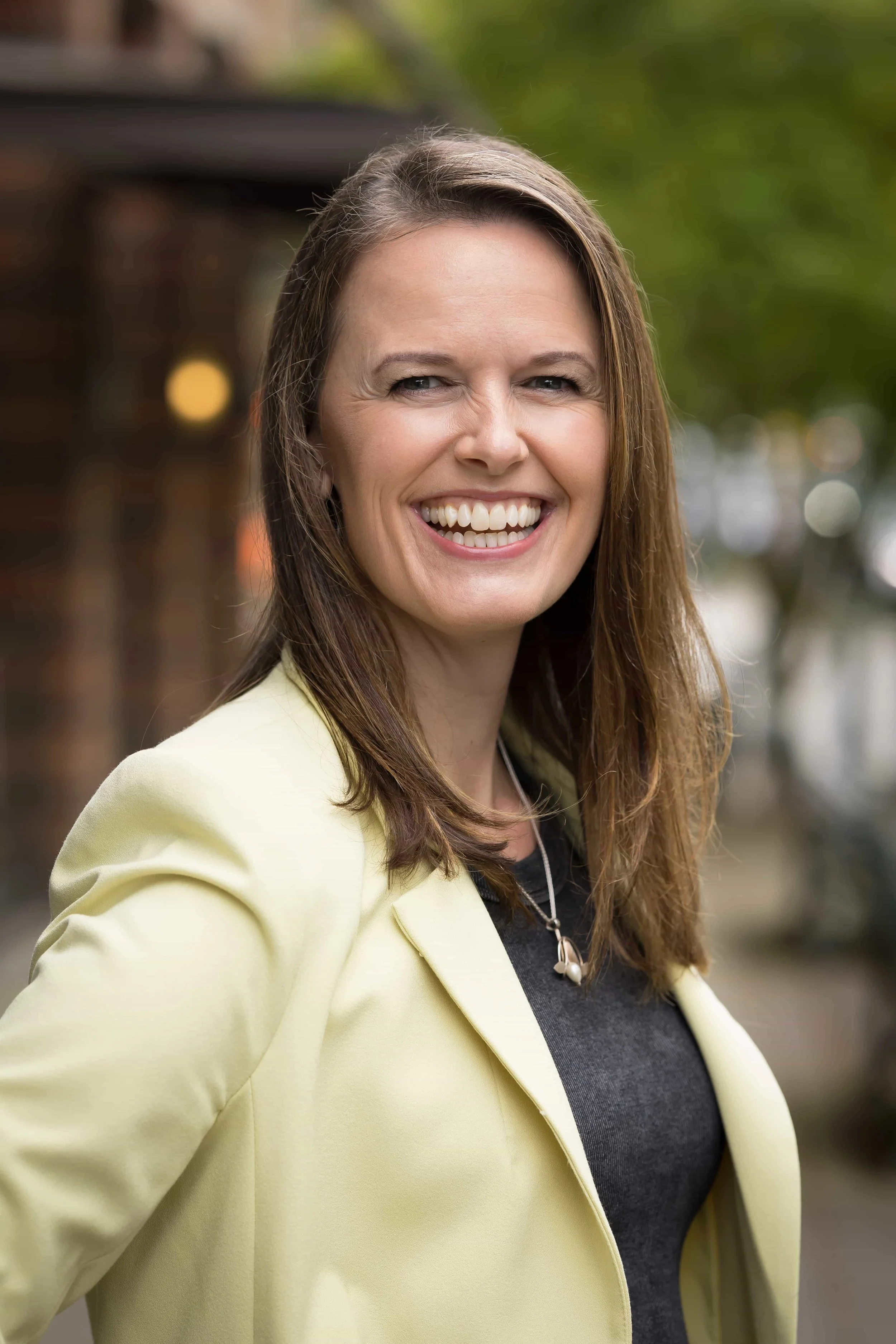
About Ingrid Johnston, LMFT, MDFT
Washington religious trauma therapist
I’ve been working with individuals and couples since 2014, with specialized training in trauma, somatic therapy, and faith transitions. I hold a Master of Science in Marriage and Family Therapy and advanced certification in Medical Family Therapy and Collaborative Medicine from Seattle Pacific University.
My approach integrates EMDR, somatic therapy, and Emotion-Focused Therapy (EFT), evidence-based modalities specifically effective for religious trauma and complex PTSD. I’ve completed over 100 hours of specialized training in trauma treatment and body-based healing.
Beyond my clinical training, my work is informed by my own lived experience. I grew up immersed in traditional Christian faith. I’ve navigated my own path through chronic pain, somatic healing, and decades of mindfulness and meditation practices. I understand what it's like to rebuild trust in your body and intuition after being taught they couldn’t be trusted.
I’m a member of the American Association for Marriage and Family Therapy (AAMFT) and the Washington Association for Marriage and Family Therapy (WAMFT).
Licensed Marriage and Family Therapist: Washington State License #LF61033631

Reach out today.
You don’t have to figure this out alone. Reach out to ask questions or schedule a first session.
Get In Touch
Contact Ingrid
Please complete the form, and I will be in touch within 48 business hours.
Office and mailing address:
19803 North Creek Parkway, Suite 205
Bothell, WA 98011
In-person in Bothell & online across Washington