
Chronic Pain Therapy in Vancouver
Specialized online therapy for chronic pain using somatic therapy, EMDR, and Pain Reprocessing Therapy (PRT) in Vancouver and Online throughout Washington State

Your Body Was the One Thing You Could Always Count On
You followed the treatment plan. You did the six weeks of physical therapy at the clinic off Mill Plain in Vancouver. You took the anti-inflammatories, got the cortisone injection, tried the TENS unit your doctor recommended. You bought the new mattress, adjusted your workstation, started walking the Burnt Bridge Creek Trail every morning because movement is supposed to help.
Some of it helped for a while. The injection took the edge off for a few weeks. Physical therapy made you stronger. But the pain always came back, sometimes in the same place, sometimes somewhere new. Your back, then your neck, then your hips.
You've been through enough appointments to know that another round of the same tests isn't going to give you a different answer. Something else is going on, and you're ready to find out what.
You can learn more about Pain Reprocessing Therapy, including who it works best for and what changes in the weeks after we start, on my chronic pain therapy page.

When the Diagnosis Doesn’t Match the Pain
About 85% of people with chronic back pain don't have structural damage that explains what they're feeling. The same is true for many cases of neck pain, migraines, fibromyalgia, repetitive strain injuries, IBS, and conditions that get labeled "idiopathic" — a clinical way of saying the cause is unknown.
Your pain is real. Brain imaging studies confirm that people experiencing this kind of pain have the same brain activity as someone with a clear physical injury. Nothing about this is imaginary or exaggerated.
What's different is the source. When pain sticks around long after an injury has healed, or appears without an injury at all, your brain may have learned to keep producing danger signals even when there's no structural problem to address. The brain strengthens this response through repetition, the same way any pattern gets stronger the more you repeat it.
And how you respond to pain feeds the cycle: when you avoid bending because it hurt last time, when you tense your shoulders driving across the I-205 bridge because you're bracing for the ache that usually starts at the twenty-minute mark, when you cancel weekend plans with friends in Camas because you’re not sure your body will cooperate, you're confirming to your brain that there's a genuine threat it needs to keep protecting you from.
Your world gets smaller. The pain stays the same or gets worse. And you start to wonder if this is just your life now.
It doesn't have to be. Your brain learned this pattern, and it can unlearn it.
Pain Reprocessing Therapy: a different approach for chronic pain
I use Pain Reprocessing Therapy (PRT), an evidence-based approach specifically designed to address pain generated by the nervous system rather than structural damage.
PRT works by helping your brain relearn how to interpret what your body is telling it. When your brain has learned to produce pain as a false alarm, specific techniques can retrain that response so your brain recognizes those signals as safe. The cycle between pain and fear breaks, and the pain can decrease or resolve.
Many of my clients in Vancouver and Clark County have spent years in the medical system hearing that pain is a tissue problem, and the idea that the brain could be generating or maintaining pain feels counterintuitive. You don't have to believe it fully to start. What you'll see is that the evidence is strong, the approach is grounded in neuroscience, and the results speak for themselves.
I also combine PRT with body-based therapy and trauma treatment (EMDR) because chronic pain rarely shows up in isolation. We look at the stress, the past experiences, the emotional patterns, and the way your whole system has learned to stay on guard, not just the pain signal itself.
In a clinical trial published in JAMA Psychiatry, 66% of participants reported being pain-free or nearly pain-free after treatment, and 98% experienced significant reduction. Those results held a year later.
Your Life Can Change After Therapy for Chronic Pain
You say yes to meeting your friends at the Vancouver Waterfront for dinner, and you don't spend the drive monitoring how your back feels in the seat. You eat, you laugh, you drive home, and you walk into the house thinking about the conversation instead of heading for the heating pad.
You spend a Saturday afternoon in the yard at your house in Ridgefield, weeding the garden beds, trimming the hedges, loading yard waste into the truck, without the negotiation you've gotten used to: fifteen minutes of work, ten minutes of stretching, another fifteen minutes, another break. You just do the work, and when you come inside, you're tired in the normal way.
You walk the Lacamas Heritage Trail with your spouse on a Sunday morning and you're looking at the water and the trees instead of tracking the tension building in your hip. When your spouse says "should we keep going?" you say yes because you want to, not because you're trying to prove something.
You sign up for the softball league in Battle Ground that your neighbor keeps inviting you to. You play the full game, including running the bases without the mental calculation of what it's going to cost your knees. You're sore the next morning, but sore the way you're supposed to be after playing hard, not the way that means something is wrong.
You stop declining invitations to go camping at Beacon Rock or hiking in the Gorge. You pack the tent, sleep on the ground, and wake up the next morning stiff the way everyone is after sleeping in a tent, not the locked-up, seizing kind of stiff that has you lying flat in the back of the car on the drive home.
Your kids stop asking "is your back okay today?" before suggesting weekend plans. They just suggest the plan, and you go.

Schedule Your First Session
Schedule Your First Session

Who is Pain Reprocessing Therapy For?
You have chronic pain without a clear structural explanation, or pain that has persisted long after healing should have occurred. This includes back pain, neck pain, migraines, IBS, fibromyalgia, repetitive strain injuries, pelvic pain, post-surgical pain that won't resolve, and conditions where doctors haven't been able to find a definitive cause.
You might have noticed that your pain gets worse during stressful periods, or that it started during or after a major life change. Or maybe you haven't made that connection yet and you're simply open to exploring what else might be going on because the medical options in Vancouver haven't given you a lasting answer.
You want to get back to doing the things that make your life worth living, without constantly factoring in what your body might or might not tolerate.
This approach isn’t the right fit if you're involved in ongoing legal matters related to your pain, such as disability claims, worker's comp, or lawsuits. It also isn't right if you're looking exclusively for medical or pharmaceutical solutions and aren't open to exploring how your brain and body interact, or if you haven't had a medical evaluation to rule out conditions requiring medical treatment.
You don't have to be fully convinced that your pain has a mind-body component. Willingness to explore the possibility is enough.

Get Started in Chronic Pain Therapy
I work with clients throughout Vancouver and Clark County via telehealth, so you can access chronic pain therapy from Camas, Washougal, Ridgefield, Battle Ground, La Center, Woodland, or anywhere in Southwest Washington without crossing the bridge or sitting in a waiting room.
If you're dealing with pain that doctors can't fully explain and you're looking for a different kind of answer, reach out. We'll talk about your situation and whether this approach makes sense for what you're dealing with.
Serving Vancouver and Clark County
Including Camas, Washougal, Ridgefield, Battle Ground, La Center, Woodland, and surrounding areas.
Questions?
FAQs About Chronic Pain Therapy
-
Individual sessions are $300 for 50 minutes. I don't accept insurance directly, which means I'm not limited by what an insurance company decides is medically necessary or how many sessions they'll approve. You pay at the time of the session, and I provide a superbill you can submit to your insurance for potential out-of-network reimbursement. Many PPO plans reimburse a portion after your deductible is met. I recommend calling the number on the back of your insurance card before your first session to ask about your out-of-network mental health benefits.
-
Most pain management programs assume the pain is permanent and teach you to cope with it: pacing strategies, relaxation techniques, medication, learning to accept a smaller life. Pain Reprocessing Therapy has a different goal. Rather than helping you build your life around the pain, PRT works to reduce or eliminate the pain itself by retraining the brain patterns that are generating it. In the clinical trial published in JAMA Psychiatry, 66% of participants were pain-free or nearly pain-free after treatment, and those results held a year later.
-
No. You can continue with any medical care, physical therapy, or other treatment you’re receiving. Some clients find that as their pain decreases, they naturally need less of their other interventions, but that's a decision you make with your other providers over time.
-
A few indicators: your imaging or tests have come back normal or don't fully explain the level of pain you're experiencing. Your pain has persisted long after an injury should have healed. Your pain moves around, or it started during or after a stressful period in your life. You've noticed that stress makes it worse and distraction or relaxation makes it better. You don't need all of these to be true, but if a few of them sound familiar, your pain may respond well to this approach.
-
You don’t need to be convinced, you just need to be open. Many of my clients come in skeptical, and that’s fine. The research is strong enough that you don’t have to take it on faith. What matters is a willingness to try something different after the conventional route hasn't given you lasting results. Where this approach tends not to work is when someone is certain that only a medical or surgical solution will help and isn't willing to explore other possibilities, or when there's an active legal case connected to the pain, like a disability claim or lawsuit, because the incentive structure works against the recovery process.
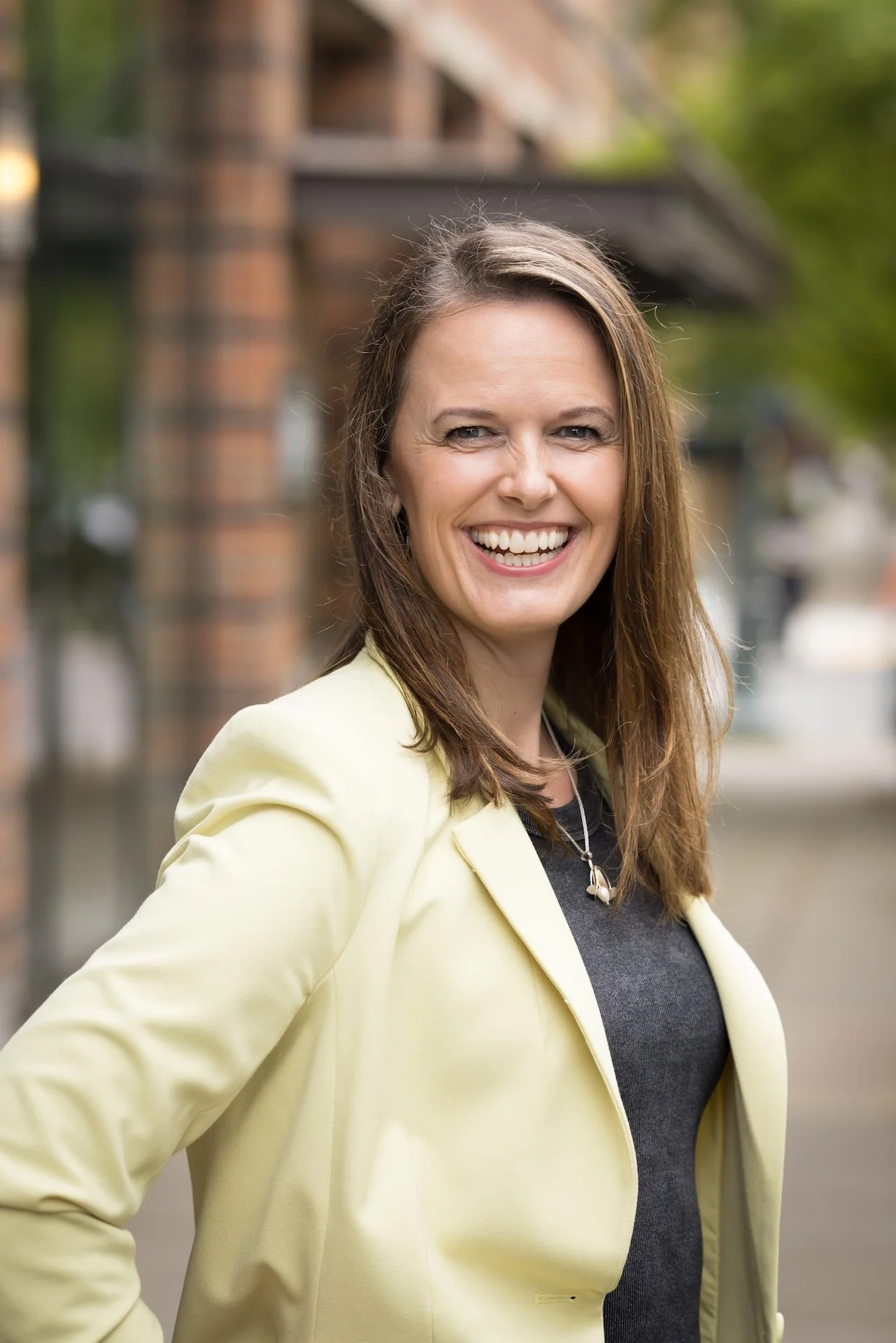
About Ingrid Johnston, LMFT, MDFT
Vancouver chronic pain therapist
I’m a Licensed Marriage and Family Therapist in Washington State, specializing in chronic pain therapy.
I’ve completed Pain Reprocessing Therapy training and hold advanced certification in Medical Family Therapy and Collaborative Medicine. My approach combines somatic therapy, trauma treatment, and nervous system regulation.
I understand this work both professionally and personally. I've navigated my own path through chronic pain and learned firsthand how pain can take over your identity, your plans, and your sense of what's possible for your life.
I’m a member of the American Association for Marriage and Family Therapy (AAMFT) and the Washington Association for Marriage and Family Therapy (WAMFT).
Licensed Marriage and Family Therapist: Washington State License #LF61033631

Get started in chronic pain therapy today in Vancouver or anywhere in Clark County.
If you’ve tried other approaches and you’re still in pain, this might be the missing piece. Reach out to ask questions or schedule a first session.
Get In Touch
Contact Ingrid
Please complete the form, and I will be in touch within 48 business hours.
Office and mailing address:
19803 North Creek Parkway, Suite 205
Bothell, WA 98011
In-person in Bothell & online across Washington