
Pain Reprocessing Therapy in Oakland, CA
Specialized therapy for chronic back pain, fibromyalgia, persistent neck and shoulder pain, and other forms of chronic pain that continue despite medical treatment or after an injury has healed.
Online Pain Reprocessing Therapy in Oakland and Alameda County, California via secure telehealth

Chronic Pain Has Made Your Life Smaller
You’ve been living with chronic pain for months or years, and it has changed what you feel comfortable doing.
Perhaps your pain never completely goes away.
You wake up hurting, work through the discomfort, and go to bed still in pain. Sitting for too long makes your back ache, but standing or walking doesn’t necessarily bring relief. Even when you’re resting, you’re conscious of the discomfort.
You can still get things done, but getting through the day requires more effort than it used to.
Or your pain comes and goes, making it difficult to predict what your body will tolerate.
You hesitate to go hiking because the last time you did, your back hurt for days. You’d like to exercise regularly again, but attempts to increase your activity have left you dealing with another flare-up.
You’ve also become more cautious about making plans. You’re reluctant to commit to activities involving much walking or standing because you don’t know how you’ll feel when the day arrives.
You’ve pursued medical treatment, too.
Perhaps physical therapy improved your mobility without substantially reducing the pain. Medication provides temporary relief, or your doctor has explained that an old injury has healed even though the affected area still hurts.
You’re unsure how to become more active without risking another painful episode. And when your symptoms never fully disappear, it’s difficult to know how much improvement is possible.
You want to experience less pain, return to activities you’ve given up, and stop having to organize so much of your life around physical discomfort.

How I Use Pain Reprocessing Therapy to Reduce Your Chronic Pain
When we begin working together, I’ll review your symptoms, medical history, and previous treatments to assess whether increased nervous-system sensitivity is contributing to your pain.
Your nervous system produces pain to protect you from injury.
But after an injury has healed, the nervous system sometimes continues interpreting certain movements or sensations as dangerous. It responds with pain even when those experiences are no longer causing physical harm.
For example, an earlier back injury made twisting painful. Months later, your doctor has confirmed that the injury has healed, but you still experience pain whenever you turn your torso.
Your nervous system has learned to associate that movement with danger and continues producing a protective pain response.
This is a learned pain response. It can develop around particular movements or physical sensations, and increased nervous-system sensitivity can also contribute to pain that remains present throughout the day.
Pain Reprocessing Therapy (PRT) is designed to change these responses, with the goal of significantly reducing or eliminating the pain.
Changing How Your Nervous System Interprets Pain
One technique I use is somatic tracking.
I’ll guide you in noticing painful sensations while examining whether your nervous system is responding to them as signs of danger.
For example, you notice a familiar ache in your lower back while sitting.
You immediately shift your position because you expect the pain to intensify. You wonder whether you’ve been sitting too long or whether you’re aggravating an old injury.
After reviewing the relevant medical guidance, I’ll help you approach that sensation differently.
We’ll work on noticing its physical qualities without automatically interpreting it as a warning of damage. I’ll guide you in distinguishing the sensation itself from the fear and expectations that have developed around it.
The purpose is to help your nervous system learn that a medically safe sensation doesn’t require the same protective response.
We’re working toward changing the pain response so that sitting, moving, and other physical experiences can become more comfortable.
Returning to Activities You’ve Learned to Avoid
When pain has repeatedly followed certain activities, avoiding them can begin to feel like the only reliable way to prevent another episode.
Perhaps you stopped cycling after experiencing severe back pain during a ride. Your doctor has confirmed that returning to cycling is safe, but remembering that experience makes you reluctant to try again.
I’ll help you distinguish medically necessary precautions from restrictions that developed because of previous painful experiences.
Then we’ll use PRT techniques to address the fear and learned pain responses associated with movements your medical providers have determined are safe.
We’ll also work on how you interpret discomfort during physical activity.
For example, noticing a familiar ache doesn’t automatically mean you’ve caused another injury. I’ll help you evaluate those sensations in the context of your medical history and current treatment guidance, rather than assuming every increase in discomfort requires you to stop.
The goal is to help you move more comfortably and regain confidence in activities you’ve avoided, without disregarding symptoms that require medical attention.

Addressing Pain That Continues Even When You Rest
Some people experience persistent pain without a clear activity or movement triggering it.
Your back hurts while sitting, but it also hurts when you lie down. You’ve tried adjusting your posture, changing mattresses, and resting more, yet nothing provides lasting relief.
Increased nervous-system sensitivity can contribute to this kind of continuous pain.
I’ll guide you in working with sensations that remain present even when you’re resting, helping your nervous system respond to them with less fear and sensitivity.
Our goal is to reduce the pain you experience throughout the day, including the discomfort that never seems to disappear completely.
When Trauma or Persistent Physical Tension Is Also Involved
I also draw on somatic therapy and EMDR to address additional concerns contributing to your symptoms.
If you regularly tense your muscles during stressful situations, somatic interventions can help you recognize and reduce those physical reactions.
For example, you notice your jaw tightening and your shoulders lifting whenever you’re under pressure. Hours later, your neck is still painful.
We can work on reducing that persistent tension while PRT addresses learned pain responses.
I also use EMDR, an evidence-based treatment for trauma, to address traumatic experiences that continue causing intrusive memories, fear, or strong reactions to reminders.
If your pain began after a traumatic accident, EMDR can address the continuing psychological effects of that experience. PRT separately targets learned pain responses contributing to persistent physical discomfort.
Chronic pain doesn’t always have an emotional or traumatic cause, so I select interventions based on the concerns we identify during treatment.
→ More about working with me in Pain Reprocessing Therapy.

What Pain Reprocessing Therapy Can Help You Change
Experience Meaningful Relief From Persistent Pain
The primary goal of PRT is to reduce chronic pain, including pain that has persisted for years or never completely goes away.
You want to wake up without immediately noticing how much your back hurts.
You want to finish the workday without feeling that you’ve spent hours trying to find a tolerable position.
And you want to relax at home without the same discomfort continuing into the evening.
For someone who experiences constant pain, even a meaningful reduction can change how physically demanding the day feels.
You could sit comfortably for longer periods, sleep with fewer interruptions from pain, or complete household responsibilities without having to stop repeatedly because your symptoms have become too intense.
My goal is to help you experience enough relief that pain no longer occupies such a large part of your physical experience throughout the day.
Return to Physical Activities You’ve Given Up
Chronic pain can gradually take away activities that once gave you pleasure, independence, or a sense of accomplishment.
Maybe you miss hiking with friends, spending a weekend cycling, swimming, or participating in a sport you used to enjoy.
Perhaps becoming less physically active has also affected your strength and confidence in what your body can do.
I want to help you return to those activities with less pain and greater confidence in your physical abilities.
As your symptoms improve, you can begin increasing your activity without automatically expecting the same painful consequences you experienced in the past.
That could mean completing a longer hike, joining friends for a bike ride, or returning to a regular exercise routine.
You can begin participating in activities because you enjoy them, rather than avoiding them because of how painful they were before.
Feel More Comfortable Making Plans and Following Through
Chronic pain can make it difficult to commit to activities in advance.
You worry about buying tickets, agreeing to a weekend trip, or accepting an invitation because you don’t know how you’ll feel when the day arrives.
Maybe you’ve gotten used to cancelling plans or asking other people to accommodate your symptoms. These decisions affect your relationships and the experiences you participate in.
As your pain improves, you’ll feel more comfortable making plans without continually anticipating another setback.
That could mean agreeing to a vacation months in advance, attending a family celebration without planning an early departure, or accepting a social invitation without keeping the following day free for recovery.
We’ll also work on responding differently to familiar sensations so that discomfort doesn’t automatically lead you to abandon your plans.
The ultimate goal is to participate more fully in your relationships and experiences without chronic pain determining so many of your decisions.

Is Pain Reprocessing Therapy Right for You?
I’ll consider your symptoms, medical history, imaging results, and previous treatments together to assess whether learned pain responses are contributing to your chronic pain.
Even when medical tests show structural changes, your nervous system can still contribute to maintaining or amplifying your symptoms.
I work with adults experiencing conditions including:
Chronic back pain
Persistent neck and shoulder pain
Fibromyalgia and widespread pain
Persistent pain following an injury
Recurring headaches and migraines
Other forms of persistent or unexplained pain
Pain can be constant, vary in intensity, or become more severe during certain activities.
PRT is worth considering when pain continues after an injury has healed, when medical findings don’t fully explain your symptoms, or when medically safe movements continue triggering pain.
You don’t have to be certain your pain is neuroplastic before beginning treatment.
However, an appropriate medical evaluation is important. PRT doesn’t replace necessary medical care for active injuries or progressive medical conditions. It can complement medical treatment when increased pain sensitivity is also contributing.
I also offer specialized therapy for chronic pelvic pain and painful sex, including vulvodynia and persistent pain with penetration.
Services I Don’t Provide
I provide Pain Reprocessing Therapy for chronic pain, but I don’t accept workers’ compensation cases, conduct disability evaluations, or provide assessments, reports, or testimony for legal proceedings.
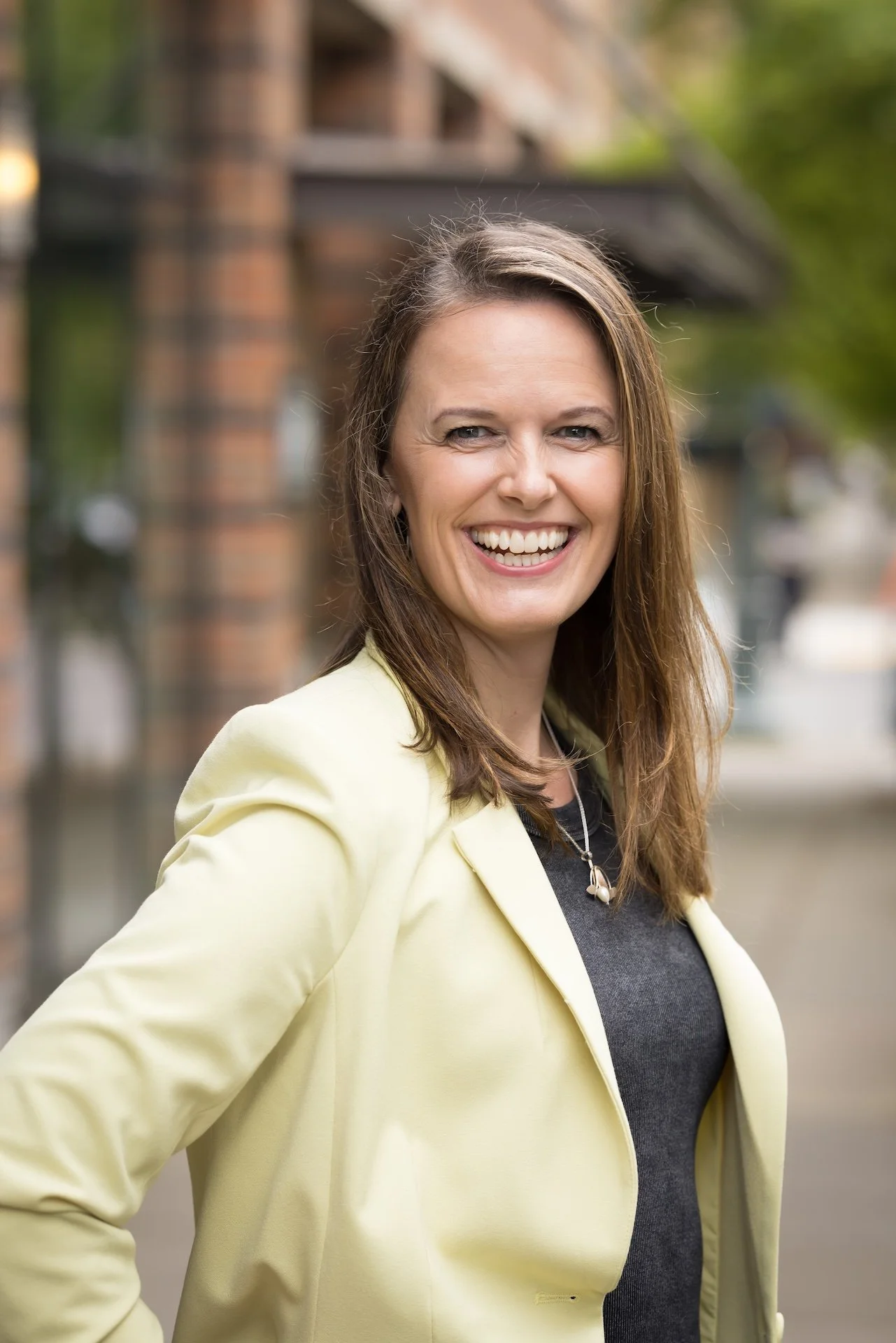
About Ingrid Johnston, LMFT, MDFT
Pain Reprocessing Therapist Serving Oakland and Alameda County, CA
I’m Ingrid Johnston, a Licensed Marriage and Family Therapist who has worked with people experiencing chronic pain since 2014.
My background includes a Certificate in Medical Family Therapy and Collaborative Medicine from Seattle Pacific University (2016), along with specialized training in Pain Reprocessing Therapy, EMDR, and somatic approaches to trauma treatment.
My training in Medical Family Therapy and Collaborative Medicine helps me understand how your medical condition, previous treatments, pain symptoms, and psychological experiences relate to one another. This is especially important when you’ve received different explanations for your pain or when several factors are contributing to your symptoms.
My training in PRT, EMDR, and somatic therapy allows me to address different factors contributing to chronic pain, depending on your circumstances.
I also have personal experience recovering from chronic pain that medical imaging couldn’t adequately explain. That experience informs my understanding of how difficult it can be to trust your body when physical pain persists despite reassuring medical findings.
I bring that perspective to my clinical work alongside more than a decade of experience treating chronic pain.
Logistics & Details
Pricing, Locations, and How to Schedule

Online Appointments in Oakland and Throughout Alameda County, CA
I provide PRT through secure, HIPAA-compliant telehealth in Oakland, Alameda County, and throughout California.
You can attend sessions from your home or another private location as long as you’re physically located in California at the time of your appointment.
Pricing
Individual sessions are $300 for 55 minutes.
I don’t accept insurance or bill insurance companies directly, but I can provide a Superbill if you’d like to seek out-of-network reimbursement. For more details, please see my pricing page.
How to Get Started in Pain Reprocessing Therapy
To request your first appointment, choose an available day and time on my secure online calendar using the button directly below.
I’ll review your appointment request and confirm within one business day. Once your appointment is confirmed, you’ll receive new client forms by email to review and digitally sign before we meet.
Questions?
FAQs About Pain Reprocessing Therapy in Oakland
Don’t see your question listed here? Check my FAQ page for further information.
-
Yes. Pain can continue after an injury has healed because your nervous system has learned to associate certain sensations or movements with danger.
PRT is designed to change those learned pain responses, with the goal of reducing the pain.
I’ll review your medical history and previous treatment to distinguish concerns that still require medical care from symptoms that could benefit from PRT.
-
Yes. Pain doesn’t have to come and go for increased nervous-system sensitivity to be contributing to your symptoms.
When your nervous system has become unusually sensitive, it can continue producing pain throughout the day, even while you’re resting. After years of continuous discomfort, it’s understandable to wonder whether your pain can improve.
PRT is designed to change these learned pain responses, with the goal of reducing the pain itself.
I’ll review your medical history, previous treatments, and symptoms to assess whether PRT could help you experience meaningful relief, even after years of persistent pain.
-
Yes. I provide online individual therapy throughout California, including Oakland, Berkeley, Alameda, Fremont, Pleasanton, Livermore, and surrounding communities.
You must be physically located in California during your session. You don’t need to travel to an office to receive treatment.
Online Pain Reprocessing Therapy in Oakland and Alameda County
Areas Served
I’m licensed in California as a Licensed Marriage and Family Therapist (LMFT #164759) and provide online Pain Reprocessing Therapy to adults throughout Oakland and Alameda County.
Areas served include:
Downtown Oakland and Lake Merritt: Downtown Oakland, Uptown, Old Oakland, Chinatown, Jack London Square, Lakeside, Adams Point, Grand Lake, Eastlake, Cleveland Heights, and surrounding neighborhoods.
North Oakland and Rockridge: Rockridge, Upper Rockridge, Temescal, Piedmont Avenue, Longfellow, Bushrod, Golden Gate, Santa Fe, Mosswood, Pill Hill, and surrounding neighborhoods.
Oakland Hills and Montclair: Montclair, Piedmont Pines, Shepherd Canyon, Forestland, Claremont Hills, Oakmore, Glenview, Crocker Highlands, Trestle Glen, Redwood Heights, Joaquin Miller, Grass Valley, and surrounding neighborhoods.
Central and East Oakland: Fruitvale, Dimond District, Laurel District, Allendale, Maxwell Park, Melrose, San Antonio, Eastmont, Fairfax, Havenscourt, Elmhurst, Castlemont, Millsmont, and surrounding neighborhoods.
West Oakland: Prescott, Clawson, Hoover-Foster, McClymonds, Oak Center, Acorn, and surrounding neighborhoods.
Berkeley, Albany, and Emeryville: Berkeley, North Berkeley, Downtown Berkeley, Elmwood, Claremont, South Berkeley, West Berkeley, Albany, Emeryville, and surrounding communities.
Alameda and Piedmont: Alameda, Bay Farm Island, Harbor Bay, Fernside, Gold Coast, West End, Piedmont, and surrounding communities.
San Leandro and Nearby Communities: San Leandro, San Lorenzo, Ashland, Cherryland, Hillcrest Knolls, and surrounding communities.
Hayward and Castro Valley: Hayward, Castro Valley, Fairview, Hayward Acres, Hayward Hills, and surrounding communities.
Fremont, Newark, and Union City: Fremont, Newark, Union City, Mission San Jose, Centerville, Niles, Irvington, Warm Springs, Ardenwood, and surrounding communities.
Dublin and Pleasanton: Dublin, Pleasanton, West Dublin, East Dublin, Hacienda, Castlewood, and surrounding communities.
Livermore and Eastern Alameda County: Livermore, Sunol, Happy Valley, Tesla, and surrounding rural communities.
I provide online therapy throughout Alameda County. You must be physically located in California at the time of your session.

Have a Question Before Booking?
If you have a question about working together, please contact me using the button below. I’ll respond via email within 2 business days.