
Pain Reprocessing Therapy in San Diego, CA
Specialized therapy for chronic back pain, fibromyalgia, persistent neck and shoulder pain, and other forms of chronic pain that continue despite medical treatment or after an injury has healed.
Online Pain Reprocessing Therapy in San Diego and San Diego County, California via secure telehealth

When Chronic Pain Makes It Difficult to Trust Your Body
You’ve been living with chronic pain for months or years, and you’re frustrated by how much it interferes with your life.
Perhaps your pain never fully goes away. You wake up with it, work through it, and go to bed still hurting. Some activities make it worse, but even resting doesn’t bring much relief. You’ve begun wondering whether you’ll ever experience a day without pain again.
Or your pain is unpredictable.
You can walk for an hour without much discomfort one day, then experience significant pain after sitting at your desk the next. You’ve tried to identify what makes your symptoms worse, but the same movements don’t always produce the same results.
Maybe your doctor has told you that an old injury has healed or that certain activities are safe, but those activities still hurt.
You want to believe you can exercise, travel, and participate in everyday life without making your symptoms worse. But after experiencing severe pain in the past, it’s difficult to trust that reassurance.
And when your pain improves, you hesitate to enjoy the improvement.
You’ve had good weeks before. You’ve also experienced flare-ups that made you question whether your body was getting better at all.
You want to reduce the pain and feel confident doing things you’ve avoided without constantly anticipating another setback.

How I Help You Reduce Chronic Pain
Your nervous system produces pain to help protect you from danger. When you injure yourself, pain encourages you to protect the affected area while it heals.
Sometimes, though, your nervous system continues responding to certain movements or physical sensations as dangerous even after an injury has healed. Your brain has learned to associate those experiences with pain and continues producing pain in response to them, even when they’re no longer causing harm.
This is a learned pain response. Your nervous system has become unusually sensitive and continues producing pain in response to signals that don’t necessarily indicate injury. These responses can also contribute to pain that’s present throughout the day, even when you’re resting.
Pain Reprocessing Therapy is designed to change these learned responses, with the goal of significantly reducing or eliminating the pain. When we begin working together, I’ll review your symptoms, medical history, and previous treatments to assess whether learned pain responses are contributing.
For example, you’ve been told that bending forward is medically safe, but your back hurts whenever you attempt it.
Over time, you’ve become accustomed to expecting pain when you bend. You approach the movement cautiously, pay close attention to your symptoms, and worry about aggravating an old injury.
We can change that response using PRT techniques so you can begin moving more comfortably.
When your nervous system has become unusually sensitive, even resting or minor physical sensations can be painful. We’ll work on changing those responses, with the goal of reducing your pain throughout the day.
Even after your pain begins improving, another flare up can make it difficult to trust your progress.
Maybe you’ve started exercising again and suddenly experience back pain after several comfortable weeks. You wonder whether you’ve aggravated your old injury and consider stopping altogether.
We’ll use PRT techniques to address the pain and fear associated with another flare up, so you can continue building confidence in physical activities instead of automatically stopping whenever discomfort returns.
When Other Factors Are Contributing to Your Pain
When stress causes you to tense your muscles or become more physically uncomfortable, I draw on somatic therapy to help you recognize and reduce those responses.
For example, you notice your neck and shoulders becoming increasingly painful during stressful periods at work. You spend much of the day tightening your muscles without realizing it, and the tension continues after you finish working.
We can address that physical tension while also treating learned pain responses contributing to your discomfort.
If a traumatic experience continues to cause fear or other reactions, I use EMDR, an evidence-based treatment for trauma, to address those symptoms.
Perhaps you were injured in a car accident. Your injuries have healed, but riding in a car still makes you anxious. You tense your muscles or brace yourself when another vehicle gets close.
EMDR can help reduce the continuing fear associated with the accident, while PRT addresses learned pain responses that have developed around specific movements or physical sensations.
These approaches address different aspects of your experience, allowing us to work on both the traumatic reactions and the persistent pain.
→ More about working with me in Pain Reprocessing Therapy.


What Pain Reprocessing Therapy Can Help You Change
Experience Less Pain During Everyday Activities
The primary goal of PRT is to reduce pain, including pain that has continued for years.
When learned nervous system responses contribute to your symptoms, treatment aims to change those responses so that minor sensations and medically safe movements become less painful.
That could mean sitting through your workday more comfortably, getting out of bed without immediately experiencing back pain, or completing household tasks without having to stop repeatedly.
You could spend less time adjusting how you sit, stand, bend, and move to avoid pain, and less time recovering from activities afterward.
Return to Exercise and Activities You Enjoy
Through our work together, you’ll return to physical activities you’ve avoided because of pain, with greater confidence in what your body can safely do.
That could mean going back to the gym, running again, taking longer walks, practicing yoga, gardening, or participating in recreational activities you’ve missed.
As your pain improves, we’ll also work on trusting those improvements.
After years of flare ups, you may remain reluctant to resume activities even when they’ve become more comfortable. You remember previous setbacks and worry that increasing your activity will leave you in pain again.
I’ll help you reassess what your body can tolerate, approach medically appropriate movements gradually, and build confidence based on your current abilities rather than previous painful experiences.
Make Plans Without Chronic Pain Determining Your Decisions
As your pain improves, you can begin reconsidering decisions you’ve made around your symptoms.
You want to accept invitations without worrying about how much walking or sitting will be involved. You want to travel without automatically expecting several days of increased pain afterward.
Maybe you’ve also declined professional opportunities or avoided longer-term commitments because you weren’t confident you could manage the physical demands.
Even after pain improves, it can take time to reconsider limitations you’ve lived with for years.
I’ll help you assess whether those limitations are still necessary, including distinguishing medical restrictions from activities you’ve continued avoiding because of previous painful experiences.
The goal is for you to make decisions based on your current abilities and what matters to you, rather than automatically assuming your pain will prevent you from participating.

Is Pain Reprocessing Therapy Right for You?
Pain Reprocessing Therapy is designed to address pain involving learned nervous system responses.
I’ll consider your symptoms, medical history, imaging results, and previous treatments together to help determine whether learned pain responses are contributing to your chronic pain. Even when medical tests show structural changes, your nervous system can still play a role in maintaining or amplifying your symptoms.
My goal is to identify whether Pain Reprocessing Therapy is appropriate for you and, if so, develop a treatment approach focused on reducing your pain.
PRT Could Be a Good Fit If…
Your pain has continued after an injury has healed or your medical findings don’t fully explain your symptoms. Perhaps your imaging shows age-related changes, but your doctor doesn’t believe those findings account for the severity of your pain. Or your original injury has healed, yet certain movements remain painful.
Your pain seems unpredictable or inconsistent. Your symptoms fluctuate, move between different areas of your body, or become worse during certain activities or stressful situations without a clear medical explanation.
You experience pain during movements that have been medically cleared. Your doctor has confirmed that an activity is safe, but you continue experiencing pain when attempting it.
You want to address the pain itself. You’re interested in investigating whether learned pain responses are contributing to your symptoms rather than focusing exclusively on accommodating or managing them.
You’re open to participating in a mind-body treatment. You don’t need to be convinced that your pain is neuroplastic, but you’re willing to consider the evidence and practice techniques designed to change learned pain responses.
PRT May Not Be a Good Fit If…
You haven’t received an appropriate medical evaluation. Before treating pain as primarily neuroplastic, it’s important to investigate medical conditions that could require treatment.
Your pain is primarily caused by an active injury or medical condition requiring treatment. PRT cannot replace appropriate care for fractures, infections, progressive neurological conditions, or other medical problems. In certain circumstances, it can complement medical treatment when increased pain sensitivity is also contributing.
You’re seeking treatment through workers’ compensation. I do not participate in workers’ compensation programs.
You need disability evaluations or services for a legal proceeding. I provide psychotherapy for chronic pain but do not conduct disability evaluations, prepare forensic reports, or serve as an expert witness.
You’re looking exclusively for medical or procedural treatment. PRT is a psychological treatment requiring active participation. If you’re interested only in medication, surgery, or another medical intervention, this service won’t match your goals.
Chronic Pain Conditions I Treat
I work with adults experiencing persistent pain, including:
Chronic back pain: Pain that continues after an injury has healed or persists despite medical treatment.
Chronic neck and shoulder pain: Ongoing pain or discomfort, particularly when nervous-system sensitivity contributes to symptoms.
Fibromyalgia and widespread pain: Pain affecting several areas of the body, often accompanied by fatigue and sleep difficulties. Research on PRT for fibromyalgia remains preliminary.
Migraines and recurring headaches: Recurring headaches that interfere with daily life. PRT is an emerging approach for selected presentations and does not replace established migraine treatment.
Persistent pain following an injury: Pain that continues after the original injury has healed.
Other forms of persistent or unexplained pain: Pain that fluctuates unpredictably, shifts between different areas of the body, or appears disproportionate to medical findings.
I also provide specialized therapy for chronic pelvic pain and painful sex, including conditions such as vulvodynia and persistent pain with penetration. That service combines chronic pain treatment with my specialized training in sex therapy.
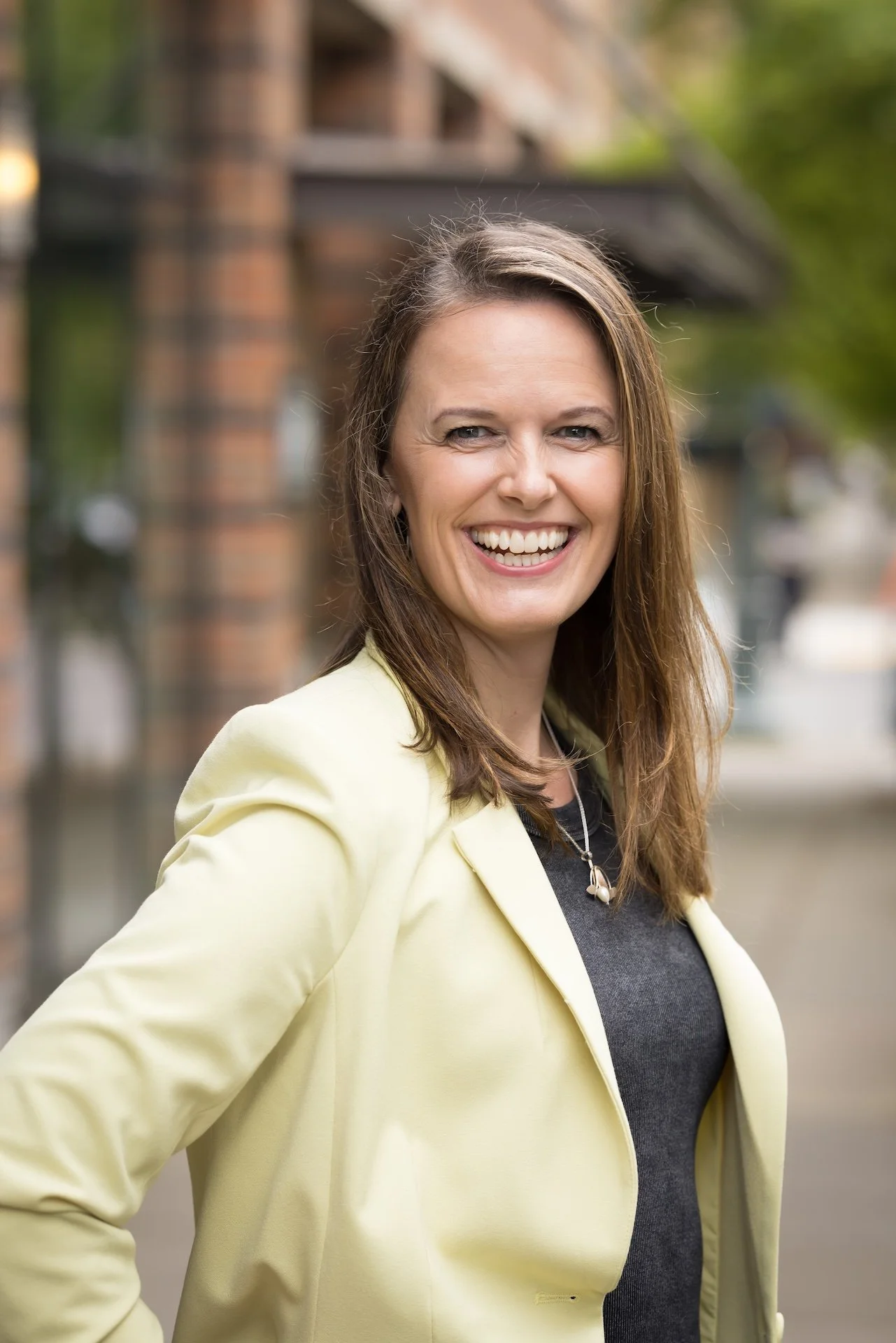
About Ingrid Johnston, LMFT, MDFT
Pain Reprocessing Therapist Serving San Diego
I’m Ingrid Johnston, a Licensed Marriage and Family Therapist who has worked with people experiencing chronic pain since 2014.
My background includes a Certificate in Medical Family Therapy and Collaborative Medicine from Seattle Pacific University (2016), along with specialized training in Pain Reprocessing Therapy, EMDR, and somatic approaches to trauma treatment.
My training in Medical Family Therapy and Collaborative Medicine helps me understand how your medical condition, previous treatments, pain symptoms, and psychological experiences relate to one another. This is especially important when you’ve received different explanations for your pain or when several factors are contributing to your symptoms.
My training in PRT, EMDR, and somatic therapy allows me to address different factors contributing to chronic pain, depending on your circumstances.
I also have personal experience recovering from chronic pain that medical imaging couldn’t adequately explain. That experience informs my understanding of how difficult it can be to trust your body when physical pain persists despite reassuring medical findings.
I bring that perspective to my clinical work alongside more than a decade of experience treating chronic pain.
Logistics & Details
Pricing, Locations, and How to Schedule

Online Pain Reprocessing Therapy in San Diego
I provide PRT through secure, HIPAA-compliant telehealth in San Diego and throughout California.
You can attend sessions from your home or another private location as long as you’re physically located in California at the time of your appointment.
Pricing
Individual sessions are $300 for 55 minutes.
I don’t accept insurance or bill insurance companies directly, but I can provide a Superbill if you’d like to seek out-of-network reimbursement. For more details, please see my pricing page.
How to Get Started in Pain Reprocessing Therapy
To request your first appointment, choose an available day and time on my secure online calendar using the button directly below.
I’ll review your appointment request and confirm within one business day. Once your appointment is confirmed, you’ll receive new client forms by email to review and digitally sign before we meet.
Questions?
FAQs About Pain Reprocessing Therapy in San Diego
Don’t see your question listed here? Check my FAQ page for further information.
-
Yes. PRT is designed to reduce learned pain responses, including those that have persisted for years.
In a randomized clinical trial involving chronic back pain, 66% of participants receiving PRT were pain-free or nearly pain-free immediately after treatment, compared with 20% in the placebo group and 10% receiving usual care.
-
No. Learned pain responses can develop without a history of trauma or an identifiable emotional cause.
PRT focuses on changing how your nervous system responds to sensations and movements. If trauma or stress-related physical responses contribute to your pain, we can address those concerns as part of treatment.
-
No. I provide therapy to California clients entirely online.
You can receive PRT through secure telehealth from San Diego or elsewhere in California, provided you’re physically located in the state during your appointment.
Online Pain Reprocessing Therapy Throughout San Diego County
Areas Served
I’m licensed in California as a Licensed Marriage and Family Therapist (LMFT #164759) and provide specialized Pain Reprocessing Therapy through secure telehealth to adults throughout San Diego County and all of California.
This includes:
Central San Diego and surrounding neighborhoods: Downtown San Diego, Little Italy, Bankers Hill, Hillcrest, Mission Hills, University Heights, North Park, South Park, Normal Heights, Kensington, Talmadge, Golden Hill, City Heights, Balboa Park, Mission Valley, Grantville, and surrounding communities.
La Jolla and Coastal San Diego: La Jolla, Bird Rock, Pacific Beach, Mission Beach, Ocean Beach, Point Loma, Sunset Cliffs, Bay Park, Bay Ho, Clairemont, University City, Torrey Pines, and surrounding communities.
North Central San Diego: Carmel Valley, Del Mar Heights, Torrey Hills, Sorrento Valley, Mira Mesa, Miramar, Scripps Ranch, Rancho Peñasquitos, Rancho Bernardo, 4S Ranch, Black Mountain Ranch, and surrounding communities.
North County Coastal: Oceanside, Carlsbad, Encinitas, Cardiff-by-the-Sea, Leucadia, Olivenhain, Solana Beach, Del Mar, Rancho Santa Fe, Vista, and surrounding communities.
North County Inland: Escondido, San Marcos, Poway, Valley Center, Fallbrook, Bonsall, Hidden Meadows, Ramona, Pala, Pauma Valley, Rainbow, and surrounding communities.
East County San Diego: La Mesa, El Cajon, Santee, Lakeside, Lemon Grove, Spring Valley, Casa de Oro, Rancho San Diego, Alpine, Harbison Canyon, Jamul, Crest, and surrounding communities.
South Bay and Southern San Diego County: Chula Vista, Eastlake, Otay Ranch, Bonita, National City, Coronado, Imperial Beach, Castle Park, Lincoln Acres, San Ysidro, Otay Mesa, Nestor, Palm City, and surrounding communities.
Inland Mountain and Desert Communities: Julian, Santa Ysabel, Descanso, Pine Valley, Mount Laguna, Guatay, Campo, Boulevard, Jacumba Hot Springs, Warner Springs, Borrego Springs, Ranchita, and surrounding communities.
I provide online therapy throughout San Diego County. You must be physically located in California at the time of your session.

Have a Question Before Booking?
If you have a question about working together, please contact me using the button below. I’ll respond via email within 2 business days.