
Pain Reprocessing Therapy in San Jose, CA
Specialized therapy for chronic back pain, fibromyalgia, persistent neck and shoulder pain, and other forms of chronic pain that continue despite medical treatment or after an injury has healed.
Online Pain Reprocessing Therapy in San Jose and Santa Clara County, California via secure telehealth

When Chronic Pain Has Changed How You Work, Rest, and Live
You’ve found ways to keep working, taking care of responsibilities, and getting through most days despite chronic pain.
But those adjustments have come at a cost.
You change positions throughout meetings because your back hurts. You avoid scheduling activities after work because you’re concerned about how much pain you’ll be in by the evening. You’ve stopped exercising regularly, even though you know physical activity is important to you.
Maybe you spend much of the day hurting. The pain is there when you wake up, continues while you work, and makes it difficult to relax at night.
Or your symptoms fluctuate. You feel noticeably better for several days, decide to become more active, and then experience another painful episode that leaves you questioning what caused it.
You’ve already spent considerable time trying to find relief.
Perhaps you’ve tried physical therapy, medication, massage, or other treatments. Some have helped temporarily. Others haven’t made much difference.
Your medical evaluations have provided pieces of an explanation, but you’re still dealing with pain that interferes with your life.
And the longer it continues, the more you find yourself weighing decisions against the possibility of making your symptoms worse.
You want meaningful pain reduction so you can use your time and energy for the things that matter to you, rather than continually accommodating discomfort.

How I Help You Reduce Chronic Pain
Your nervous system produces pain to protect you from injury. But sometimes, it continues producing pain after an injury has healed or responds too strongly to physical sensations that aren’t dangerous.
For example, a movement that caused pain during an earlier injury can remain painful long after the tissues have healed. Your brain has learned to associate that movement with danger and continues producing pain in response.
This is a learned pain response. Your nervous system has become unusually sensitive, so movements such as bending, reaching, or turning your neck continue triggering pain even when they aren’t causing further damage.
These learned responses can also contribute to pain that remains present throughout the day, without a specific movement triggering it.
Pain Reprocessing Therapy (PRT) is designed to change these responses, with the goal of substantially reducing or eliminating the pain.
Changing How Your Nervous System Responds to Physical Sensations
One of the techniques I use is called somatic tracking.
During a session, I’ll guide you in noticing painful sensations while examining whether your nervous system is responding to them as signs of danger.
For example, you’re experiencing a familiar ache across your shoulders. Your usual response is to tense your muscles, change positions repeatedly, or become concerned that the discomfort is getting worse.
I’ll help you pay attention to the sensation without immediately trying to escape it or interpreting its presence as evidence of injury.
We’ll examine whether the sensation is occurring during a medically safe activity and practice responding to it with less fear.
This helps your nervous system begin learning that the sensation doesn’t necessarily signal danger, with the goal of reducing the pain associated with it.
The purpose of somatic tracking is to change your nervous system’s response to pain, rather than simply teach you to tolerate discomfort.
Reducing the Fear of Making Your Pain Worse
Long-standing pain can change how you approach physical activity.
You hesitate before lifting a grocery bag, spending an afternoon on your feet, or agreeing to plans that involve prolonged sitting. You remember previous painful experiences and don’t want to repeat them.
Even after a physician or physical therapist tells you an activity is safe, the discomfort you experience makes it difficult to trust that advice.
I’ll help you distinguish restrictions that remain medically necessary from movements your nervous system has learned to associate with injury.
We’ll use PRT techniques to change those learned responses while gradually increasing your confidence in activities that have been medically cleared.
That could mean becoming more comfortable bending to pick something up, walking longer distances, or resuming exercises you’ve avoided.
The goal is to reduce the pain and fear that have made physical activity difficult, so you can become more active without repeatedly questioning whether you’re harming yourself.
Addressing Other Factors That Contribute to Your Symptoms
Chronic pain sometimes involves additional concerns that benefit from treatment alongside PRT.
When stress contributes to persistent muscle tension, I can incorporate somatic therapy to help you recognize and reduce that tension.
For example, during demanding workdays, you repeatedly tighten your jaw or raise your shoulders without realizing it. By the evening, those muscles are painful, adding to discomfort you already experience.
We can work on recognizing those physical reactions earlier and helping your muscles relax more readily.
I also use EMDR, an evidence-based treatment for trauma, when traumatic experiences continue affecting you.
If a serious accident has left you experiencing intrusive memories, fear of driving, or strong physical reactions to reminders of the event, EMDR can help address those trauma-related symptoms.
PRT and EMDR serve different purposes. PRT targets learned pain responses, while EMDR treats the continuing effects of traumatic experiences. I select these interventions based on the concerns we identify during treatment.
→ More about working with me in Pain Reprocessing Therapy.


What Pain Reprocessing Therapy Can Help You Change
Experience Less Pain While Working, Resting, and Moving
The primary goal of PRT is to reduce your chronic pain, including pain that has continued for years.
You want to complete a workday without recurring back or neck pain making it difficult to sit, stand, or find a comfortable position.
You want to come home and relax without spending the evening trying to relieve discomfort that has built up throughout the day.
And you want to wake up feeling more physically comfortable, rather than immediately noticing the same pain you experienced the night before.
As learned pain responses change, sitting, standing, walking, and resting can become less painful.
That could mean remaining comfortable at your desk for longer periods, sleeping more easily because pain interferes less, or completing household responsibilities without needing frequent breaks.
For someone who experiences constant pain, a meaningful reduction can change how physically demanding each day feels.
Participate in Activities Without Constantly Calculating the Consequences
Chronic pain can make enjoyable experiences feel like decisions with consequences.
You consider whether attending a concert is worth the possibility of increased pain afterward. You turn down invitations because you’re concerned about standing too long or not having somewhere comfortable to sit.
You’ve stopped exercising consistently because you don’t want another painful experience to interfere with the following days.
I want to help you return to activities you value without previous painful experiences continually determining what you attempt.
As your symptoms improve, we’ll work on rebuilding confidence in what your body can tolerate.
That could mean getting back into a regular exercise routine, spending an afternoon with friends without worrying about the seating arrangements, or booking a trip you’ve repeatedly postponed.
You can begin participating in these experiences without treating every physical demand as a potential source of another severe flare-up.
Spend Less Attention Managing Pain and More on Your Priorities
Even when you continue meeting your responsibilities, chronic pain can consume a significant amount of your attention.
You monitor your symptoms during meetings, interrupt tasks to assess whether your discomfort is becoming more intense, and reconsider your schedule whenever you start hurting more.
Perhaps you’ve also become reluctant to make commitments because you don’t know how you’ll feel when the day arrives.
As your pain improves, I want you to be able to concentrate on your work, follow through on plans, and make decisions without repeatedly assessing what your body will tolerate.
That could mean finishing a project without constantly checking your symptoms, accepting invitations without keeping your schedule open for recovery, or taking on responsibilities you’ve been avoiding because of pain.
We’ll also work on reconsidering restrictions that no longer reflect your physical abilities.
The ultimate goal is for you to devote more of your attention to your relationships, professional aspirations, and interests, rather than having pain influence so many of your decisions.
Is Pain Reprocessing Therapy Right for You?
I’ll consider your symptoms, medical history, imaging results, and previous treatments together to assess whether learned pain responses are contributing to your chronic pain.
Even when medical tests show structural changes, your nervous system can still contribute to maintaining or amplifying your symptoms.
I work with adults experiencing conditions including:
Chronic back pain
Persistent neck and shoulder pain
Fibromyalgia and widespread pain
Persistent pain following an injury
Recurring headaches and migraines
Other forms of persistent or unexplained pain
Pain can be constant, vary in intensity, or become more severe during certain activities.
PRT is worth considering when pain continues after an injury has healed, when medical findings don’t fully explain your symptoms, or when medically safe movements continue triggering pain.
You don’t have to be certain your pain is neuroplastic before beginning treatment.
However, an appropriate medical evaluation is important. PRT doesn’t replace necessary medical care for active injuries or progressive medical conditions. It can complement medical treatment when increased pain sensitivity is also contributing.
I also offer specialized therapy for chronic pelvic pain and painful sex, including vulvodynia and persistent pain with penetration.
Services I Don’t Provide
I provide Pain Reprocessing Therapy for chronic pain, but I don’t accept workers’ compensation cases, conduct disability evaluations, or provide assessments, reports, or testimony for legal proceedings.
About Ingrid Johnston, LMFT, MDFT
Pain Reprocessing Therapist Serving San Jose and Santa Clara County, CA
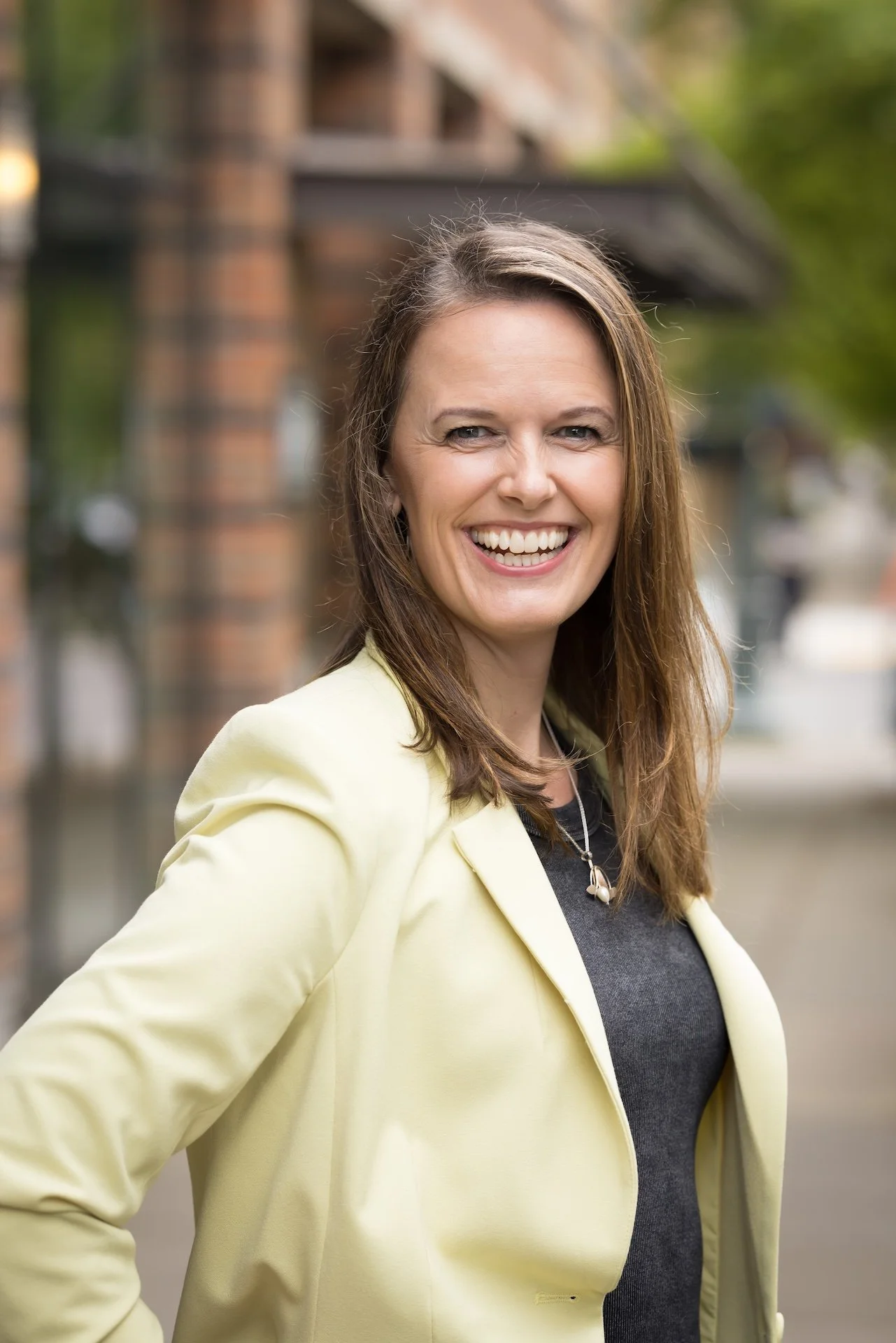
I’m Ingrid Johnston, a Licensed Marriage and Family Therapist who has worked with people experiencing chronic pain since 2014.
My background includes a Certificate in Medical Family Therapy and Collaborative Medicine from Seattle Pacific University (2016), along with specialized training in Pain Reprocessing Therapy, EMDR, and somatic approaches to trauma treatment.
My training in Medical Family Therapy and Collaborative Medicine helps me understand how your medical condition, previous treatments, pain symptoms, and psychological experiences relate to one another. This is especially important when you’ve received different explanations for your pain or when several factors are contributing to your symptoms.
My training in PRT, EMDR, and somatic therapy allows me to address different factors contributing to chronic pain, depending on your circumstances.
I also have personal experience recovering from chronic pain that medical imaging couldn’t adequately explain. That experience informs my understanding of how difficult it can be to trust your body when physical pain persists despite reassuring medical findings.
I bring that perspective to my clinical work alongside more than a decade of experience treating chronic pain.
Logistics & Details
Pricing, Locations, and How to Schedule

Online Appointments Throughout Santa Clara County
I provide PRT through secure, HIPAA-compliant telehealth in San Jose, Santa Clara County, and throughout California.
You can attend sessions from your home or another private location as long as you’re physically located in California at the time of your appointment.
Pricing
Individual sessions are $300 for 55 minutes.
I don’t accept insurance or bill insurance companies directly, but I can provide a Superbill if you’d like to seek out-of-network reimbursement. For more details, please see my pricing page.
How to Get Started in Pain Reprocessing Therapy
To request your first appointment, choose an available day and time on my secure online calendar using the button directly below.
I’ll review your appointment request and confirm within one business day. Once your appointment is confirmed, you’ll receive new client forms by email to review and digitally sign before we meet.
Questions?
FAQs About Pain Reprocessing Therapy in San Jose
Don’t see your question listed here? Check my FAQ page for further information.
-
Yes. PRT addresses learned nervous system responses that medical treatments don’t target.
For example, physical therapy can help restore strength and mobility after an injury, but pain can continue after the injury has healed because your nervous system remains unusually sensitive.
PRT focuses on changing those learned pain responses, rather than continuing to treat the original injury as the sole explanation for your symptoms.
I’ll consider your previous treatments and medical evaluations to assess how PRT could contribute to reducing your pain.
-
No. You don’t need to discontinue medically recommended physical activity or physical therapy to participate in PRT. Returning to safe movement can be an important part of changing learned pain responses. I’ll consider the guidance you’ve received from your medical providers and can coordinate care when needed.
-
No. I provide therapy to California clients entirely online. You can receive PRT through secure telehealth from San Jose, elsewhere in Santa Clara County, or anywhere else in California.
Online Pain Reprocessing Therapy in San Jose and Santa Clara County
Areas Served
I’m licensed in California as a Licensed Marriage and Family Therapist (LMFT #164759) and provide online Pain Reprocessing Therapy to adults throughout San Jose, Silicon Valley, and Santa Clara County.
Areas served include:
Downtown and Central San Jose: Downtown San Jose, SoFA District, Japantown, Naglee Park, Hensley, Northside, St. Leo’s, Midtown, Rose Garden, Burbank, Shasta-Hanchett, The Alameda, College Park, Washington-Guadalupe, and surrounding neighborhoods.
West San Jose and Willow Glen: Willow Glen, Cambrian, Cambrian Park, West Valley, Winchester, Santana Row area, Fruitdale, Meridian, and surrounding communities.
North San Jose and Berryessa: North San Jose, Berryessa, Alviso, North Valley, and surrounding neighborhoods.
East San Jose and Evergreen: Alum Rock, East Foothills, Little Portugal, Mayfair, Little Saigon, Evergreen, Silver Creek, Silver Creek Valley, and surrounding communities.
South San Jose and Almaden Valley: Blossom Valley, Almaden Valley, Santa Teresa, Edenvale, Seven Trees, Communications Hill, Coyote Valley, and surrounding communities.
Santa Clara, Sunnyvale, and Milpitas: Santa Clara, Sunnyvale, Milpitas, Rivermark, Old Quad, Lawrence Station, Moffett Park, and surrounding communities.
Cupertino, Campbell, and the West Valley: Cupertino, Campbell, Saratoga, Los Gatos, Monte Sereno, and surrounding communities.
Palo Alto, Mountain View, and Northern Santa Clara County: Palo Alto, Stanford, Mountain View, Los Altos, Los Altos Hills, Loyola, and surrounding communities.
South Santa Clara County: Morgan Hill, Gilroy, San Martin, and surrounding communities.
Santa Cruz Mountains and Rural Santa Clara County: Lexington Hills, Redwood Estates, New Almaden, Mount Hamilton, and other unincorporated communities within Santa Clara County.
I provide online therapy throughout Santa Clara County. You must be physically located in California at the time of your session.

Have a Question Before Booking?
If you have a question about working together, please contact me using the button below. I’ll respond via email within 2 business days.