
Pain Reprocessing Therapy in San Francisco, CA
Specialized online therapy for chronic back pain, persistent neck and shoulder pain, fibromyalgia, and other forms of pain that continue despite medical treatment.
Pain Reprocessing Therapy available through secure telehealth throughout San Francisco and the Bay Area

When Chronic Pain Limits Your Life
Chronic pain has changed how you experience your days.
You spend hours working despite persistent neck, shoulder, or back pain. You adjust your chair, stand periodically, stretch, or change positions, but the pain keeps returning.
By the time you finish working, you’re hurting too much to enjoy much of your evening.
Maybe your pain is constant.
You wake up uncomfortable, spend much of the day searching for positions that provide some relief, and find that even relaxing at home doesn’t stop the pain.
You’ve become accustomed to being in pain, but that doesn’t make it any less frustrating.
Or, your pain fluctuates.
You can go several days with relatively little pain, begin believing your condition is improving, and then experience another painful episode without understanding why.
Sometimes an activity causes discomfort, while other times you do something similar without any problems.
The inconsistency makes it difficult to know what your body can tolerate.
You’re frustrated that chronic pain continues interfering with your life, despite all the effort you’ve put into understanding and managing it.
You’ve followed medical recommendations, participated in physical therapy, tried medications, or pursued other treatments.
Some approaches have helped, but the improvements haven’t lasted, or they haven’t addressed enough of your discomfort.
Maybe medical imaging identified an old injury or structural changes, but your physician explained that those findings don’t fully account for your symptoms.
Or your medical evaluations haven’t identified a condition that adequately explains why you’re still hurting.
Over time, you’ve become accustomed to making decisions around pain. You avoid some activities altogether. You participate in others only when your symptoms seem manageable.
And when you finally have a day with less pain, you’re reluctant to trust that improvement.
You want substantial pain relief, confidence in what your body can do, and the freedom to enjoy your life without continually planning around pain.

How I Use Pain Reprocessing Therapy to Reduce Your Chronic Pain
Your nervous system produces pain to protect you from injury or danger.
When you experience an injury, pain alerts you to the problem and encourages you to protect the affected area while it heals.
But sometimes, your nervous system remains unusually sensitive after an injury has healed.
It continues producing pain in response to physical sensations or activities that no longer indicate ongoing harm.
These are called learned pain responses.
These responses can develop through repeated painful experiences, prolonged nervous system sensitivity, or associations between particular sensations and danger.
Learned responses can contribute to constant pain, unpredictable pain flare-ups, or pain associated with specific activities.
Identifying What’s Contributing to Your Pain
When we begin working together, I’ll review your medical history, previous treatments, current symptoms, and how your pain has changed over time. This helps me evaluate whether learned pain responses could be contributing to your symptoms and whether Pain Reprocessing Therapy is an appropriate treatment for you.
For example, perhaps you injured your back several years ago. Your physician has confirmed that the injury healed, and you’ve regained strength and mobility through physical therapy. But you still experience significant pain when sitting, exercising, or completing everyday activities.
Or perhaps you have a diagnosed medical condition that explains some of your symptoms, but your pain is more intense or persistent than your healthcare providers would expect based on their findings.
In both situations, learned pain responses could be contributing to discomfort beyond what the original injury or medical condition explains.
My training in Medical Family Therapy and Collaborative Medicine informs how I evaluate these different possibilities. I’ll consider your medical findings alongside your symptoms and treatment history to understand which factors psychotherapy can address and which require continued medical care.
This assessment helps me tailor treatment to your individual circumstances, including determining where to focus our PRT work and whether additional medical evaluation or collaboration with another healthcare provider is needed.
Changing Learned Pain Responses Through Pain Reprocessing Therapy
One technique I use is called somatic tracking.
During somatic tracking, I guide you in noticing physical sensations without automatically interpreting them as signs of injury or danger.
For example, you might notice a familiar ache while walking or sitting.
You begin monitoring whether it’s becoming more intense, wondering whether you’ve aggravated an injury, or anticipating the pain you’ll experience later.
These learned expectations can contribute to the nervous system’s protective response.
Through somatic tracking, I’ll guide you in experiencing medically evaluated sensations without automatically expecting injury or worsening pain.
Over time, Pain Reprocessing Therapy aims to change how your nervous system responds to those sensations so they become less painful or stop producing pain altogether.

Addressing Fear and Avoidance Around Physical Activity
Repeated painful experiences can influence how you evaluate your physical abilities.
Perhaps you’ve stopped increasing your activity because previous attempts resulted in several uncomfortable days.
Or you’ve recovered from an injury and received medical clearance to resume certain activities, but you’re concerned about triggering another painful episode.
I’ll help you distinguish medically relevant limitations from learned expectations that particular movements will cause harm.
When an activity is medically appropriate, we can use PRT techniques to address the fear and pain responses associated with it.
This allows you to rebuild confidence based on your current abilities instead of assuming that previous painful experiences will continue repeating themselves.
Addressing Physical Tension and Trauma-Related Symptoms
I also incorporate somatic therapy and EMDR when additional factors contribute to your symptoms.
For example, prolonged stress can result in persistent muscle tension.
You might notice that your shoulders remain raised, your jaw stays clenched, or your muscles tighten whenever you’re concentrating or under pressure.
Somatic interventions can help you recognize these responses and practice reducing unnecessary tension.
If your pain developed after a traumatic experience, I can also incorporate EMDR, an evidence-based treatment for trauma.
Perhaps you experienced an accident and recovered from your injuries, but reminders of the experience continue triggering fear, tension, or physical reactions.
EMDR can help reduce those trauma-related responses while PRT addresses learned responses contributing to ongoing discomfort.
I’ll select interventions based on the factors contributing to your symptoms and your treatment goals.

What Pain Reprocessing Therapy Can Help You Change
Reduce or Eliminate Chronic Pain
The primary goal of PRT is to significantly reduce or eliminate chronic pain by changing the learned responses contributing to it.
You want to wake up comfortably, move through your day without persistent discomfort, and enjoy opportunities to rest without pain continuing to demand your attention.
As these responses change, physical sensations that previously triggered pain can become less uncomfortable or stop producing pain.
If you experience constant pain, that could mean substantial periods of the day when discomfort is no longer present.
If your symptoms fluctuate, it could mean fewer painful episodes and longer periods of relief.
Participate in Physical Activities With Greater Confidence
You can work toward returning to activities you’ve avoided or reduced because of pain.
Perhaps you’ve stopped taking longer walks, cycling, hiking, strength training, or participating in recreational activities that previously mattered to you.
As your pain decreases, we’ll also address learned expectations that certain medically safe activities will cause harm.
You can begin evaluating what your body can tolerate based on your current abilities, rather than automatically expecting the discomfort you experienced in the past.
The goal is to participate in physical activities with greater comfort and confidence, without memories of previous painful episodes continually determining what you attempt.
Enjoy Your Time Outside of Work Again
When chronic pain becomes less intrusive, you can have more physical comfort and energy for the activities and relationships you’ve had to put aside.
Perhaps you’ve continued meeting your responsibilities at work, but by the time you finish, your pain has become so uncomfortable that you no longer want to go anywhere.
You’ve declined dinners with friends, stopped participating in evening activities, or spent weekends recovering instead of doing things you enjoy.
As your symptoms improve, you can spend less time trying to get comfortable and more time participating in your personal life.
You want to finish working and still feel physically capable of enjoying the evening, rather than having chronic pain dictate how you spend the hours that belong to you.
Make Plans Without Continually Anticipating Pain
You can begin reconsidering opportunities you’ve avoided because you weren’t confident about how your body would respond.
Perhaps you’ve declined invitations involving travel, avoided making commitments too far in advance, or ruled out experiences that require substantial walking or time away from home.
When you’ve experienced unpredictable pain for years, making plans can feel like taking a risk.
As your symptoms decrease and you regain confidence in your abilities, you can begin accepting opportunities without repeatedly calculating whether you’ll be able to tolerate them.
The goal is to make decisions based on what you want to do and what your body can safely manage, rather than allowing anticipated pain to determine which experiences seem possible.

Is Pain Reprocessing Therapy Right for You?
PRT is an option for adults who want to address chronic pain through psychotherapy, including those who have already tried medical treatments without sufficient relief.
Chronic Pain Conditions I Treat
I work with adults experiencing:
Chronic back pain
Chronic neck and shoulder pain
Fibromyalgia and widespread pain
Migraines and recurring headaches
TMJ and chronic jaw pain
Chronic abdominal pain, including IBS-related pain
Chronic muscle and joint pain
Persistent pain following an injury or surgery
Chronic pain without a clear medical explanation
I also provide specialized therapy for chronic pelvic pain and painful sex, including vulvodynia and persistent pain with penetration.
When Another Type of Treatment Would Be More Appropriate
If you haven’t received a medical evaluation for your pain, or your symptoms suggest an active injury or medical condition requiring treatment, I’ll recommend consulting an appropriate healthcare provider before beginning PRT.
PRT can complement medical care when your nervous system is contributing to pain beyond what an existing injury or medical condition explains. It doesn’t replace treatment needed for an ongoing medical condition.
I also don’t provide:
Treatment billed through workers’ compensation.
Disability evaluations, forensic reports, or expert testimony for legal proceedings.
Medical procedures or treatment focused exclusively on physical or structural conditions.
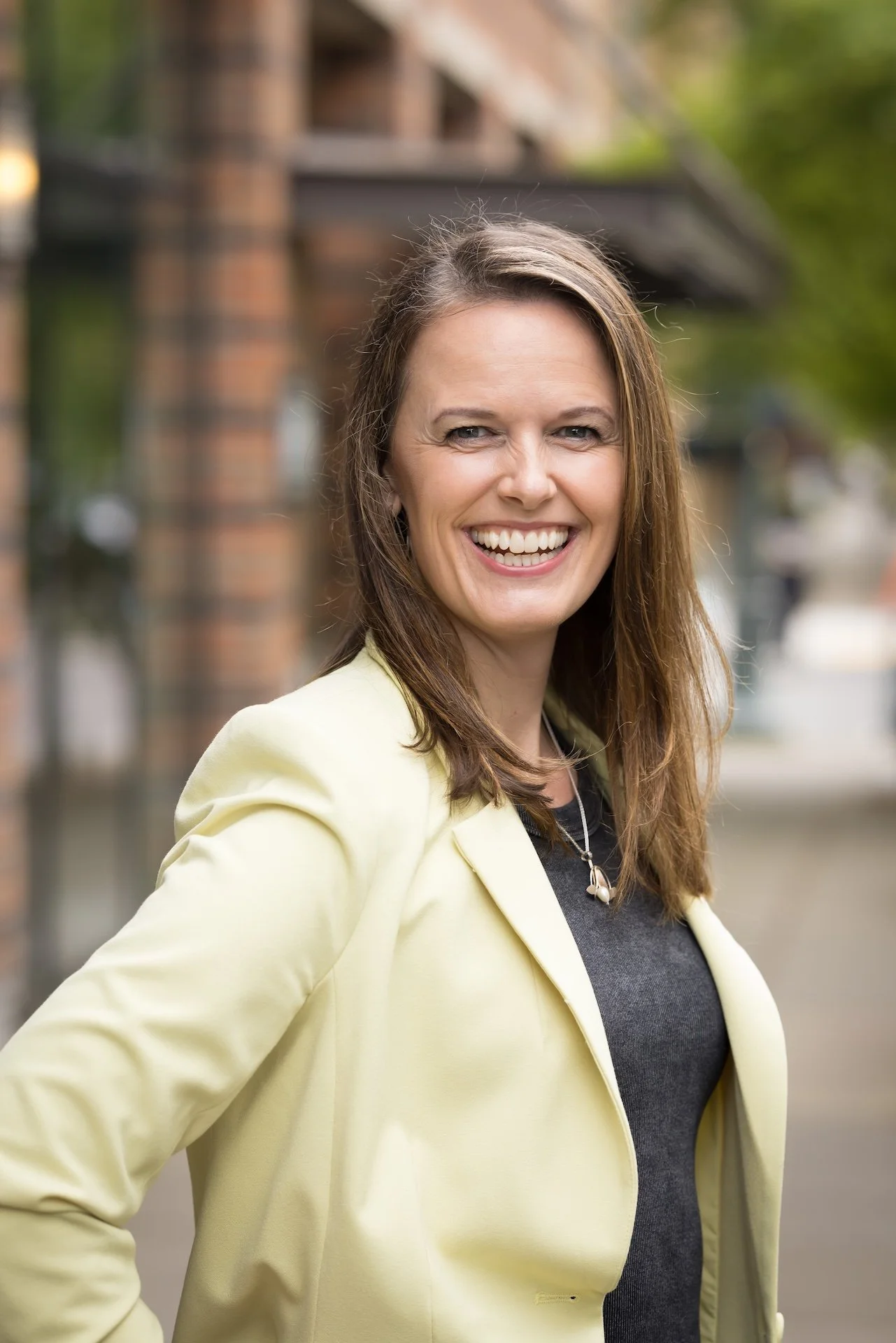
About Ingrid Johnston, LMFT, MDFT
Pain Reprocessing Therapist Serving the San Francisco Bay Area
I’m Ingrid Johnston, a Licensed Marriage and Family Therapist who has worked with people experiencing chronic pain since 2014.
My background includes a Certificate in Medical Family Therapy and Collaborative Medicine from Seattle Pacific University (2016), along with specialized training in Pain Reprocessing Therapy, EMDR, and somatic approaches to trauma treatment.
My training in Medical Family Therapy and Collaborative Medicine helps me understand how your medical condition, previous treatments, pain symptoms, and psychological experiences relate to one another. This is especially important when you’ve received different explanations for your pain or when several factors are contributing to your symptoms.
My training in PRT, EMDR, and somatic therapy allows me to address different factors contributing to chronic pain, depending on your circumstances.
I also have personal experience recovering from chronic pain that medical imaging couldn’t adequately explain. That experience informs my understanding of how difficult it can be to trust your body when physical pain persists despite reassuring medical findings.
I bring that perspective to my clinical work alongside more than a decade of experience treating chronic pain.
Logistics & Details
Pricing, Locations, and How to Schedule

Online Pain Reprocessing Therapy in San Francisco, California
I provide PRT through secure, HIPAA-compliant telehealth in the San Francisco Bay Area and throughout California.
You can attend sessions from your home or another private location as long as you’re physically located in California at the time of your appointment.
Pricing
Individual sessions are $300 for 55 minutes.
I don’t accept insurance or bill insurance companies directly, but I can provide a Superbill if you’d like to seek out-of-network reimbursement. For more details, please see my pricing page.
How to Get Started in Pain Reprocessing Therapy
To request your first appointment, choose an available day and time on my secure online calendar using the button directly below.
I’ll review your appointment request and confirm within one business day. Once your appointment is confirmed, you’ll receive new client forms by email to review and digitally sign before we meet.
Questions?
FAQs About Pain Reprocessing Therapy in San Francisco, CA
Don’t see your question listed here? Check my FAQ page for further information.
-
Yes. Learned nervous system responses can contribute to pain that remains present throughout the day, including when you’re resting.
The length of time you’ve experienced symptoms doesn’t necessarily establish that they are permanent.
We’ll review your medical history and previous evaluations to understand whether learned pain responses are contributing and whether PRT is an appropriate treatment.
-
Learned pain responses can contribute to symptoms that fluctuate in intensity or occur without a clear relationship to physical activity.
Pain Reprocessing Therapy focuses on changing these responses, with the goal of reducing painful episodes and extending periods of relief.
-
Yes. An existing diagnosis doesn’t automatically rule out PRT. An ongoing medical condition and heightened responsiveness to physical sensations can both contribute to pain.
Pain Reprocessing Therapy in San Francisco, CA
Areas Served
I’m licensed in California as a Licensed Marriage and Family Therapist (LMFT #164759) and provide online Pain Reprocessing Therapy throughout San Francisco and all of California.
This includes:
Downtown and Central San Francisco: Financial District, Union Square, SoMa, South Beach, Yerba Buena, Chinatown, Tenderloin, Civic Center, Hayes Valley, and surrounding neighborhoods.
Northern San Francisco: Marina District, Cow Hollow, Pacific Heights, Presidio Heights, Russian Hill, Nob Hill, North Beach, Telegraph Hill, and surrounding neighborhoods.
Western San Francisco: Richmond District, Inner Richmond, Outer Richmond, Sunset District, Inner Sunset, Outer Sunset, Seacliff, Inner Parkside, Outer Parkside, and surrounding communities.
Central San Francisco: Japantown, Haight-Ashbury, Cole Valley, Castro, Noe Valley, Mission District, Mission Dolores, Bernal Heights, Glen Park, Twin Peaks, Diamond Heights, and surrounding neighborhoods.
Southern San Francisco: West Portal, Excelsior, Ingleside, Oceanview, Outer Mission, Portola, and surrounding neighborhoods.
Southeastern San Francisco: Potrero Hill, Dogpatch, Mission Bay, Bayview, Hunters Point, Visitacion Valley, and surrounding neighborhoods.
San Mateo County and the Peninsula: Daly City, South San Francisco, Brisbane, Colma, Pacifica, San Bruno, Millbrae, Burlingame, San Mateo, Foster City, Belmont, San Carlos, Redwood City, Menlo Park, and surrounding communities.
Marin County: Sausalito, Mill Valley, Tiburon, Corte Madera, Larkspur, San Rafael, Novato, and surrounding communities.
I also provide online Pain Reprocessing Therapy throughout California, including Oakland, San Jose, and other Bay Area communities.

Have a Question Before Booking?
If you have a question about working together, please contact me using the button below. I’ll respond via email within 2 business days.